One Swab Isn’t Enough: What Gay Men Need to Know About Gonorrhea Testing

August 4, 2026
Why Gonorrhea Testing Needs More Than Urine
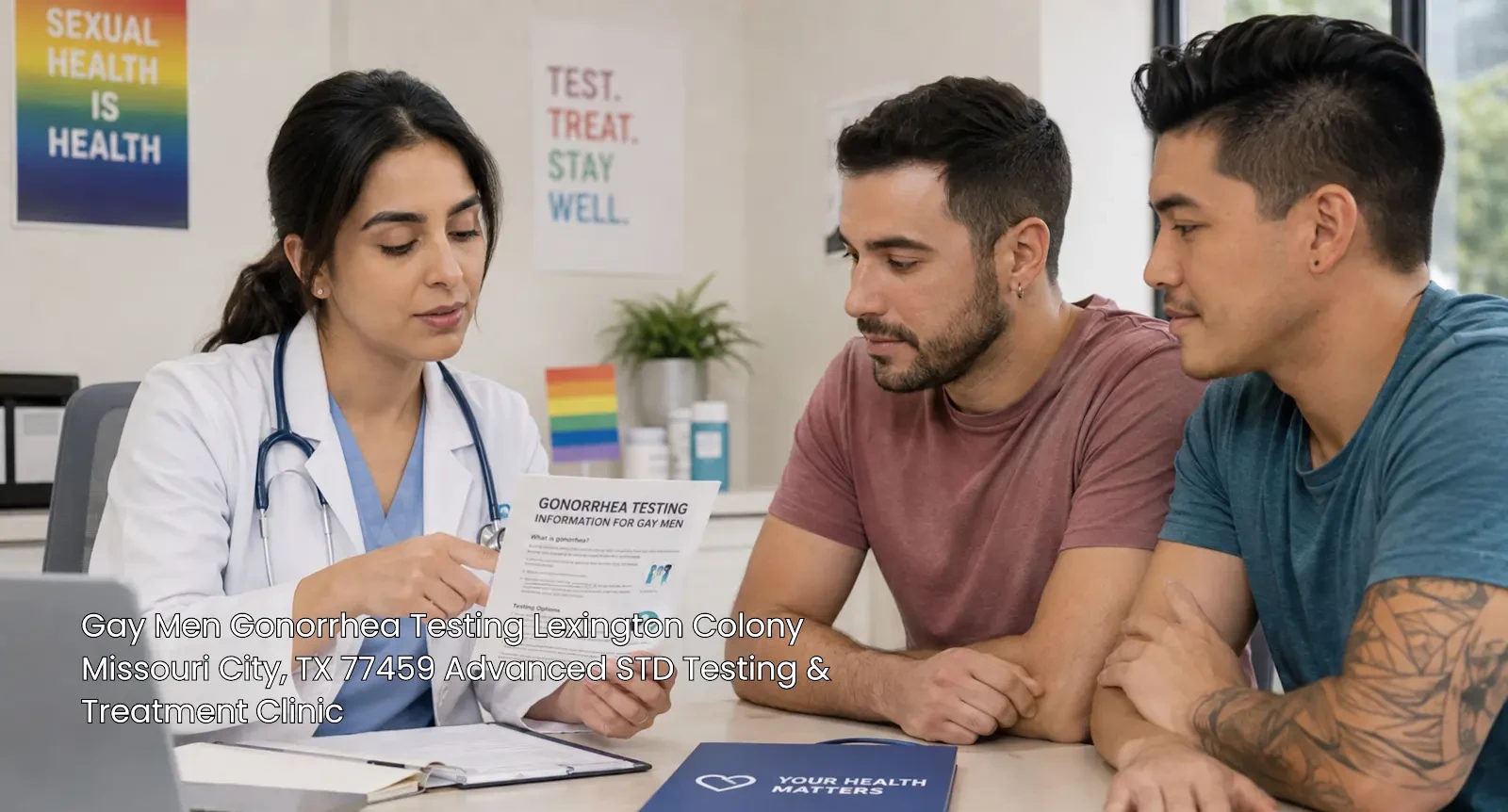
When it comes to gay men gonorrhea testing, one urine sample may not tell the whole story. Gonorrhea can infect the throat, rectum, or urethra, and infections at these sites can cause few or no symptoms. CDC guidance recommends testing sexually active men who have sex with men at exposed sites at least yearly, with testing every three to six months for people at increased risk.
That matters because a negative urine result doesn’t rule out an infection in your throat or rectum. Think of testing like checking different rooms in a house: looking in one room cannot confirm every room is clear.
What the 3 Main Test Sites Tell You
Urethral Testing
A urine NAAT can detect urethral gonorrhea, especially after insertive sex. Burning during urination or penile discharge can be clues, but symptoms aren’t required for infection.
Rectal Testing
A rectal swab can identify infection after receptive anal sex. Rectal gonorrhea is often silent, which makes site-specific screening important.
Throat Testing
A throat swab can detect pharyngeal gonorrhea after receptive oral sex. Throat infections are commonly overlooked because many people don’t notice symptoms.
Why Symptoms Aren’t a Reliable Guide
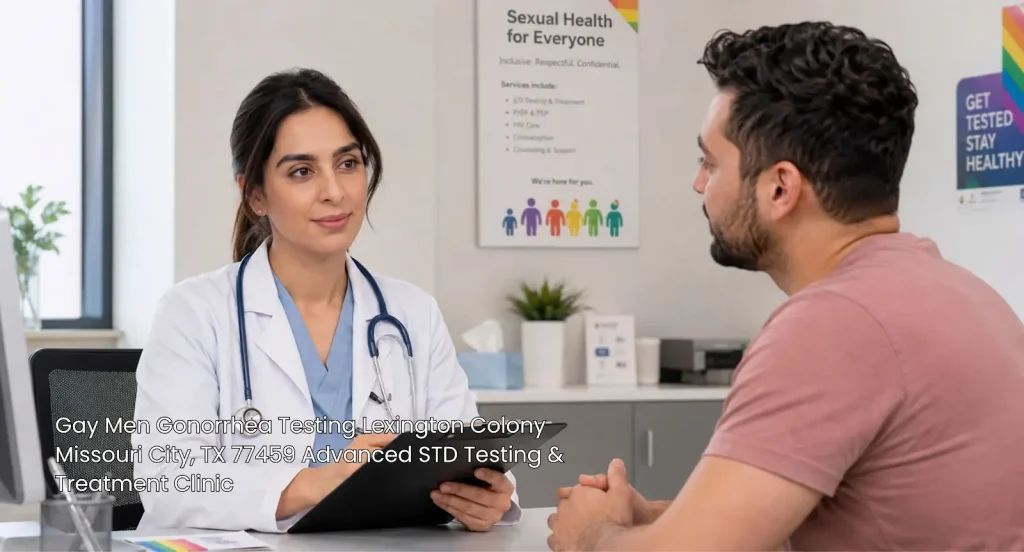
No pain doesn’t mean no infection. CDC guidance notes that many pharyngeal and rectal infections are asymptomatic. In fact, CDC cites research suggesting that urogenital-only testing could miss about 70% of gonococcal and chlamydial infections among MSM.
That is one reason a careful sexual history matters. Tell your clinician what types of sexual contact occurred, even if you feel completely well.
Three Statistics Worth Knowing
Current national data give useful perspectives. In 2024, more than 2.2 million reported cases of chlamydia, gonorrhea, and syphilis were recorded in the United States.
Gonorrhea cases fell 10% compared with 2023, marking a third straight annual decline. Yet the combined STI burden remained 13% higher than a decade earlier.
How Advanced STD Testing & Treatment Clinic Can Help
Advanced STD Testing & Treatment Clinic can help you approach testing with a clear plan. Share your recent exposure history and ask which anatomical sites should be tested.
“Your health and wellbeing matter, too.” — Anita Leal, Healthcare Provider.
A positive result isn’t a reason for shame. Gonorrhea is treatable, but treatment should follow current medical guidance. Avoid self-treating with leftover antibiotics.
Choosing the Right Testing Approach
For people seeking gay men gonorrhea testing in Lexington Colony, convenience matters, but accuracy matters more. If you’ve had oral, anal, or insertive sex, mention those exposures when booking care. Sharing this information helps your clinician determine which testing sites may need attention.
Planning Your Gonorrhea Testing Visit
Lexington Colony can be a convenient reference point when planning your visit for gonorrhea testing. Consider your recent sexual exposures when discussing which testing sites may be appropriate with your clinician. A clear discussion about your recent contact can help make the testing process more focused and useful.
Use 29.59024,-95.57458 when checking your route and planning your trip. Having your location details ready can make it easier to organize your visit and arrive prepared for your appointment.
What Should You Ask Before Testing?
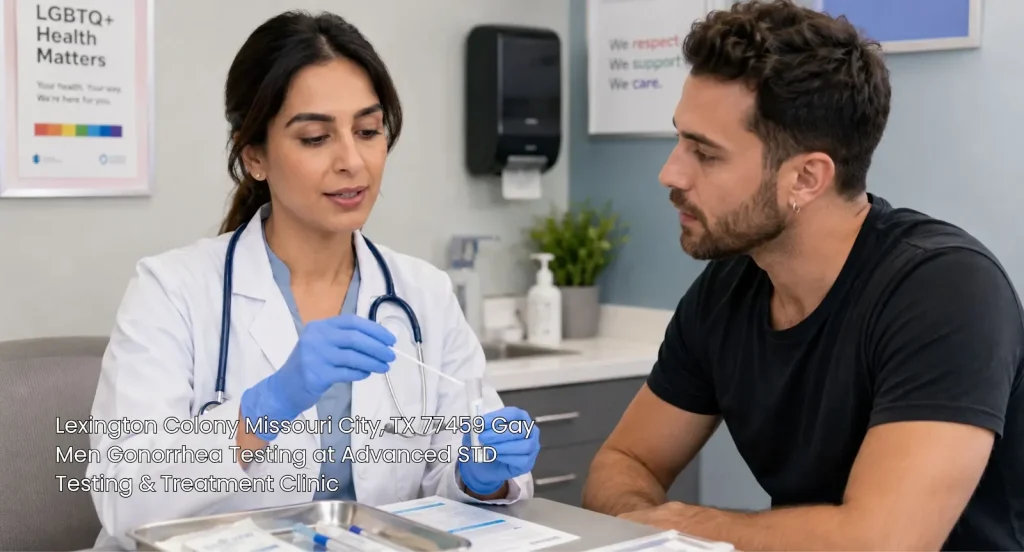
Ask three simple questions: Which sites need testing? What type of test will be used? When should I repeat testing?
If you’re taking PrEP, have HIV, or have multiple or anonymous partners, ask about more frequent screening. CDC guidance supports three- to six-month screening for MSM at increased risk.
If you’re interested in the broader reasons screening matters, read about gonorrhea risks in the gay community for more context on symptoms, transmission, and prevention.
Using a Local Landmark to Plan Your Visit
Lexington Creek Elementary School can serve as a familiar local reference when planning your visit for gonorrhea testing.
If you’re navigating care near Lakefront Dr & Westshore Dr, plan enough time for the tests recommended for your recent exposure sites.
Get Directions from Lexington Colony to Advanced STD Testing & Treatment Clinic
Find the Right Testing Plan Today
One swab may be useful, but the best testing plan reflects where exposure occurred. Advanced STD Testing & Treatment Clinic can help you take the next step with clear information and appropriate testing. When you’re ready to arrange your screening, book lab test and get started with a testing plan that fits your needs.
FAQs
1. Is a urine test enough for gay men?
Not always. Testing should match the anatomical sites exposed during sex. A urine test can miss throat or rectal infections.
2. Can throat gonorrhea have no symptoms?
Yes. Many pharyngeal infections are asymptomatic, which is why exposure-based testing matters.
3. How often should I get tested?
At least annually if sexually active. People at increased risk may benefit from testing every three to six months.
4. Should I test if I feel completely healthy?
Yes, if you have ongoing sexual exposure. Gonorrhea can exist without noticeable symptoms.
5. What Happens After a Positive Test Result?
Follow the clinician’s treatment plan and discuss partner notification. Don’t use leftover antibiotics or share medication.

Recent Posts
Explore the latest articles on sexual health, testing, and wellness. Stay updated with insights designed to keep you informed and confident about your health choices.