Can You Have HIV and Test Negative? What Tanglewood Residents Should Know

September 26, 2026
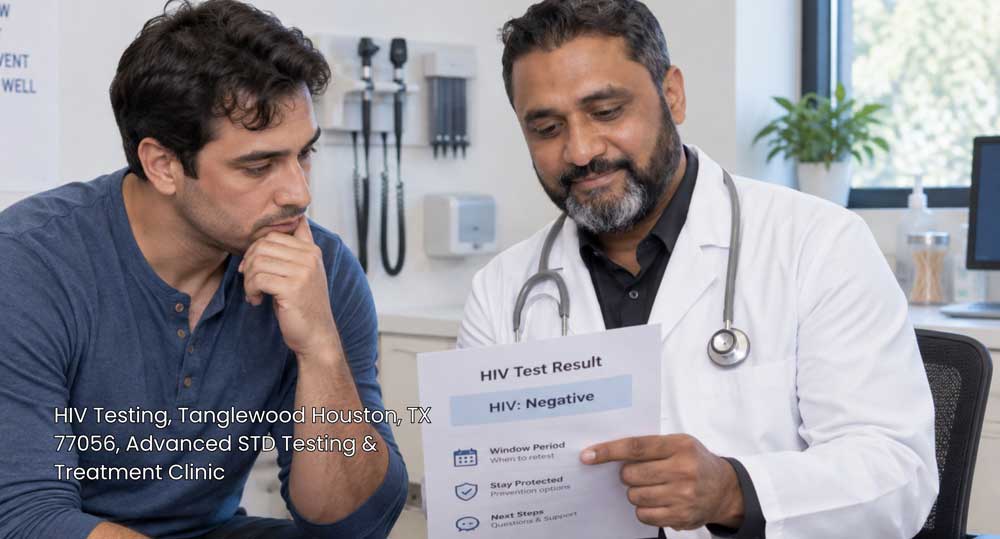
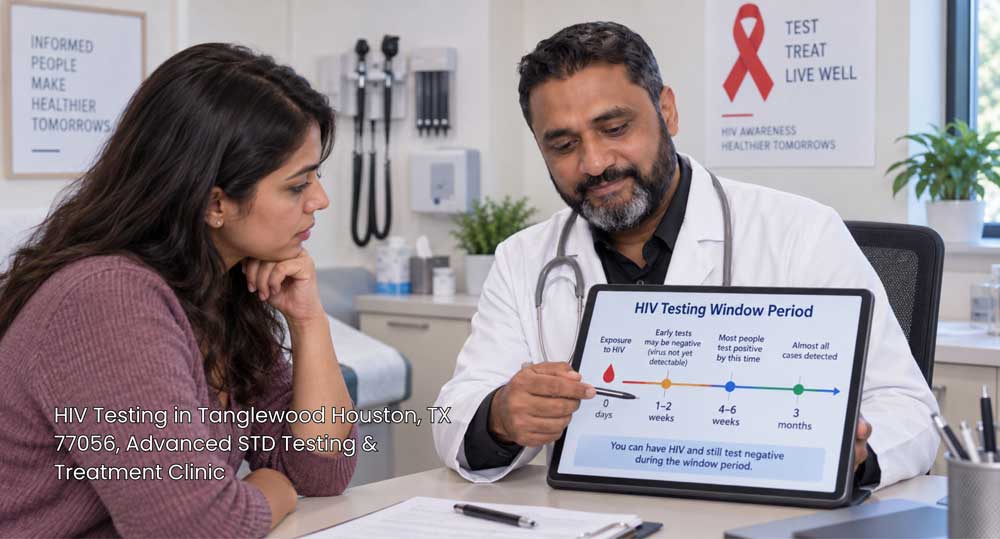
A negative HIV testing result can feel reassuring, but timing matters. A person can have HIV and still test negative if the test happens during the window period. This is the time between infection and the point when a test can reliably detect the virus.
How Can HIV Testing Be Negative After Infection?
HIV tests do not detect an infection immediately. Your body needs time to produce enough viral material, antigens, or antibodies for a test to find them. This creates the window period.
According to the CDC, a nucleic acid test (NAT) can usually detect HIV 10 to 33 days after exposure. A laboratory antigen/antibody test using blood from a vein can usually detect infection 18 to 45 days after exposure.
Rapid tests may take longer because they often look for HIV antibodies. An antibody test can usually detect HIV 23 to 90 days after exposure.
How Long Should You Wait Before Retesting?
If you tested soon after a possible exposure and got a negative result, ask a healthcare professional when to test again. The timing depends on the test you took. For more guidance, learn when to get an HIV test and how timing can affect your results.
A negative result during the window period cannot fully rule out a new infection.
What the Numbers Say About HIV Diagnosis
Testing gives people a clear way to know their HIV status. In the United States, an estimated 87.2% of people living with HIV knew their status in 2022, according to HIV.gov data.
Globally, 88% of people living with HIV knew their status in 2025.
For people in Tanglewood, this is a simple reason to stay on top of testing. If a test is done too soon, another test may be needed later. Early diagnosis can help a person get the care and support they need.
Advanced STD Testing & Treatment Clinic: When to Consider Another Test
People with concerns after a recent exposure can discuss HIV testing in Tanglewood with a healthcare provider and ask about a testing schedule. For residents near S Post Oak Ln & 4 Oaks Pl, knowing where to access testing can make follow-up easier when another test is needed.
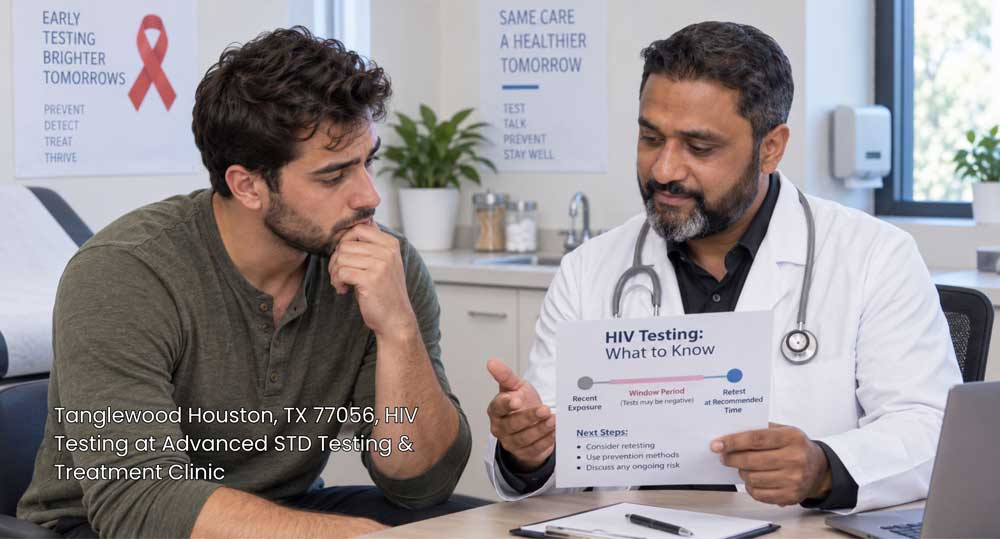
A repeat test may make sense after a recent exposure. The CDC notes that additional HIV RNA testing may help when acute infection is suspected.
Anita Leal, a healthcare provider, emphasizes, “Knowing your HIV status can help you take the right steps for your health, especially after a possible exposure.”
What to Do After a Negative Result
A negative result can be meaningful if you test after the appropriate window period and have no other possible exposure during that time. HIV.gov recommends retesting after the window period when an earlier test may have been too soon.
If you live close to Tanglewood Middle School, planning follow-up care around your routine may make testing easier. The clinic can serve nearby residents in the area represented by 29.752779233281498, -95.46273351184257.
If you may have been exposed within the past 72 hours, seek medical care quickly. Post-exposure prophylaxis (PEP) may help prevent HIV when started promptly.
Your Guide to Reaching Advanced STD Testing & Treatment Clinic from Tanglewood
Understanding What a Negative HIV Test Means
Yes, you can have HIV and receive a negative test result if you test too soon after infection. The key is understanding the window period and using the right test at the right time.
If you have concerns after a possible exposure, talk with a healthcare professional about retesting and prevention options. The right follow-up can give you clearer answers. To take the next step, book a lab test or call Advanced STD Testing & Treatment Clinic at (346) 344-8313 to discuss your testing needs.
FAQs
1. Can HIV be missed on the first test?
Yes. Testing during the window period can produce a negative result even when HIV is present.
2. How soon can HIV be detected?
It depends on the test. NATs can usually detect HIV within 10 to 33 days, while laboratory antigen/antibody tests usually detect it within 18 to 45 days.
3. Should I retest after a negative result?
If you tested during the window period, discuss retesting with a healthcare professional.
4. Can symptoms tell me if I have HIV?
No. Symptoms alone cannot confirm or rule out HIV. Testing provides a reliable way to determine your status.
5. What should I do after a possible HIV exposure?
Get medical advice as soon as possible. If the exposure happened within 72 hours, ask about PEP because it works best when started quickly.

Recent Posts
Explore the latest articles on sexual health, testing, and wellness. Stay updated with insights designed to keep you informed and confident about your health choices.