Why Is Confidentiality Important For STD Testing
March 25, 2026
Sexually transmitted diseases (STDs), also known as sexually transmitted infections (STIs), remain a significant public health concern worldwide. Conditions such as HIV, Chlamydia, Gonorrhea, and Syphilis affect millions of people every year. Early detection through STD testing helps individuals receive timely treatment and reduces the risk of spreading infections to others.
However, many people hesitate to get tested because they worry about privacy. Concerns about personal information, medical records, or social stigma can discourage individuals from seeking healthcare. This is where confidentiality plays an important role.
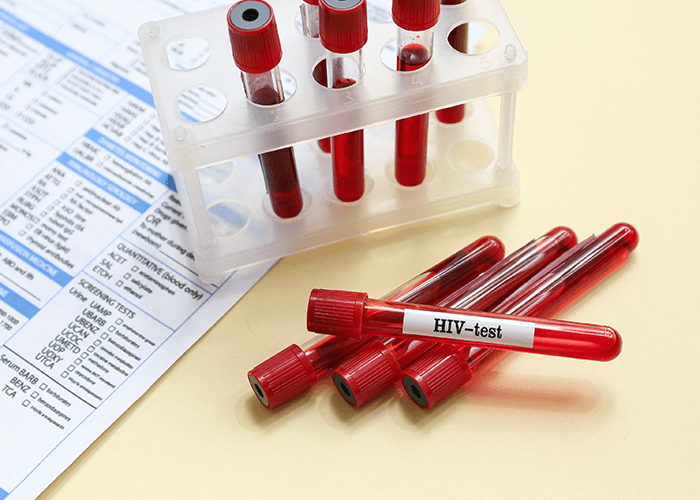
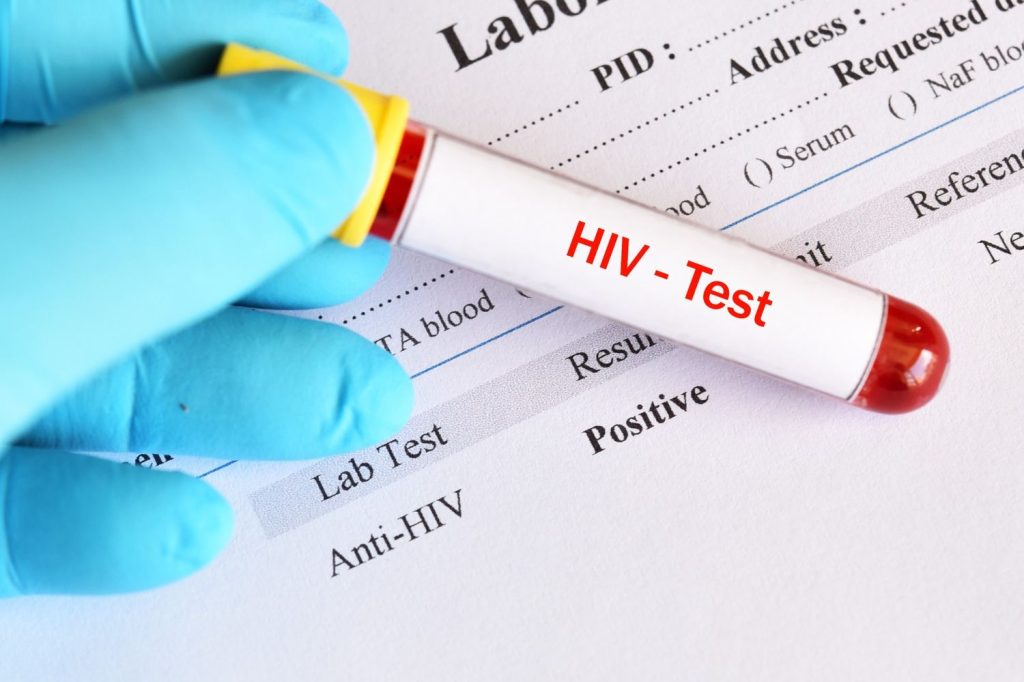
Confidentiality in STD testing means that your personal information, test results, and medical history are kept private. Healthcare providers follow strict privacy rules to protect patient data and ensure individuals feel safe when seeking testing and treatment.
This article explains why confidentiality matters in STD testing, how medical privacy works, and why it encourages more people to take control of their sexual health.
Understanding Confidentiality in STD Testing
Confidentiality refers to the protection of personal health information so that it is only shared with authorized healthcare professionals involved in a patient’s care.
When someone gets tested for an STD, several types of information are collected, including:
- Personal identification details
- Medical history
- Sexual health information
- Laboratory test results
- Treatment plans
Healthcare providers protect this information through secure medical systems and privacy regulations. These measures ensure that sensitive health data is not shared with employers, family members, or other parties without patient consent.
Confidential STD testing helps create a safe environment where individuals can discuss their concerns honestly and receive accurate medical guidance.
Reducing Stigma Around STD Testing
One of the biggest barriers to STD testing is social stigma. Even though sexually transmitted infections are common and treatable, many people still feel embarrassed or worried about being judged.
Confidentiality helps reduce these fears by protecting patient privacy. When individuals know their health information will remain private, they are more likely to schedule a test and speak openly with a healthcare professional.
For example, infections like Herpes Simplex Virus or Human Papillomavirus are widely diagnosed, yet people may delay testing because they worry others might find out.
Private testing services and confidential clinics help remove these concerns by ensuring that personal health details remain protected.
Encouraging Early Detection and Treatment
Confidentiality plays an important role in encouraging early testing. Many sexually transmitted infections can exist without noticeable symptoms. For example:
- Chlamydia often shows no symptoms in its early stages
- Gonorrhea may remain unnoticed for weeks
- Syphilis can progress through stages without obvious signs
When individuals avoid testing because of privacy concerns, infections can remain untreated and lead to long-term health complications.
Confidential STD testing allows people to check their health without fear of exposure. Early detection helps doctors provide treatment sooner and prevent complications such as infertility, chronic pain, or increased risk of other infections.
Protecting Sensitive Personal Information
Sexual health information is considered sensitive medical data. In many healthcare systems, patient privacy is protected through regulations such as the Health Insurance Portability and Accountability Act, which sets standards for safeguarding health information.
These regulations require medical providers to:
- Store medical records securely
- Limit who can access patient data
- Obtain consent before sharing information
- Protect electronic health records from unauthorized access
These protections help patients feel confident that their personal information will remain secure.
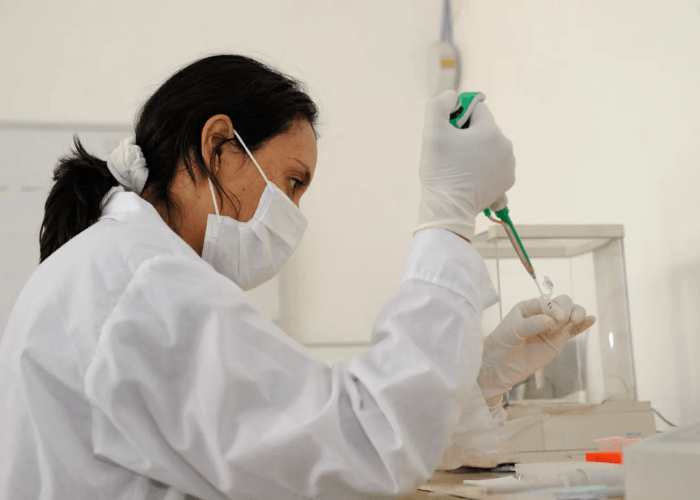
Confidential STD testing services also use secure laboratory processes to ensure that test results are delivered directly to the patient and their healthcare provider.
Supporting Honest Communication With Healthcare Providers
Open communication between patients and healthcare professionals improves the quality of medical care. However, discussions about sexual health can feel uncomfortable for many individuals.
Confidentiality encourages honest conversations. When patients trust that their information will remain private, they are more likely to share accurate details about:
- Sexual partners
- Symptoms
- Past infections
- Risk factors
This information helps healthcare providers make accurate diagnoses and recommend appropriate testing.
For example, someone who has experienced possible exposure to HIV may need specific blood tests or follow-up screening. Honest communication allows doctors to create a testing plan that matches the patient’s needs.
Preventing the Spread of Sexually Transmitted Infections
Confidential testing contributes to better public health outcomes. When people feel comfortable getting tested, more infections are identified and treated early.
Early diagnosis helps prevent the spread of infections to sexual partners. For example, infections such as Gonorrhea and Chlamydia can spread easily if they are not treated promptly.
Healthcare providers may also recommend partner notification, where individuals inform past partners about possible exposure. This process can be done confidentially, allowing partners to seek testing without revealing personal details.
By protecting patient privacy, healthcare systems encourage more individuals to participate in routine STD screening.
Building Trust in Healthcare Services
Trust is an important part of healthcare. Patients need confidence that their personal information will remain secure when seeking medical care.
Confidentiality policies help build this trust. When healthcare providers consistently protect patient privacy, individuals are more likely to:
- Schedule regular STD screenings
- Return for follow-up visits
- Ask questions about sexual health
- Follow treatment recommendations
Reliable confidentiality practices also support long-term patient relationships with healthcare providers.
Clinics that prioritize privacy create a supportive environment where individuals feel comfortable discussing sensitive health concerns.
Confidential STD Testing and Modern Healthcare Technology
Modern healthcare technology has changed how medical information is stored and shared. Electronic health records allow doctors to access patient information quickly and coordinate care efficiently.
At the same time, digital systems require strong security measures to protect patient privacy.
Healthcare facilities use several methods to protect confidential information, including:
- Encrypted electronic health records
- Secure patient portals
- Restricted access to medical databases
- Private laboratory reporting systems
These systems help ensure that STD test results are shared only with authorized healthcare professionals.
Patients may also receive results through secure online portals, allowing them to view information privately without visiting a clinic.
The Role of Confidential Clinics in Sexual Health
Confidential STD clinics provide testing, treatment, and counseling services while maintaining strict privacy standards.
These clinics focus on creating a respectful and professional environment where individuals can address sexual health concerns without fear of judgment or exposure.
Services often include:
- Comprehensive STD screening
- Laboratory testing
- Medical consultations
- Treatment plans
- Follow-up care
Facilities such as Advanced STD Testing & Treatment Clinic work to protect patient privacy while providing accurate testing and professional medical care.
Confidential healthcare settings help reduce barriers to testing and encourage individuals to prioritize their health.

Why Confidential STD Testing Matters for Young Adults
Young adults are among the groups most affected by sexually transmitted infections. According to the Centers for Disease Control and Prevention, people between the ages of 15 and 24 account for a significant portion of new STD cases each year.
Despite these statistics, many young individuals avoid testing due to privacy concerns, particularly when they rely on family health insurance plans.
Confidential testing services help address these concerns by offering private consultations and secure result reporting. This allows young adults to take responsibility for their sexual health while maintaining privacy.
Educational outreach and confidential healthcare services can help increase testing rates among younger populations.
Choosing a Confidential STD Testing Provider
When selecting an STD testing provider, privacy should be a key consideration. Patients should look for clinics that clearly explain their confidentiality policies and how personal information is protected.
Important factors to consider include:
- Secure handling of medical records
- Private consultation rooms
- Confidential communication of results
- Professional medical staff
- Clear patient privacy policies
Healthcare facilities such as Advanced STD Testing & Treatment Clinic follow professional standards to ensure that patients receive accurate testing while maintaining privacy throughout the process.
Taking time to choose a reliable provider can help patients feel more comfortable when seeking sexual health services.
Confidential STD Testing Near River Oaks: Private, Professional Care You Can Trust
When it comes to sexual health, privacy and peace of mind matter. If you are looking for confidential STD testing Houston residents can rely on, choosing a clinic that respects your privacy while providing accurate medical care makes a real difference.
At Advanced STD Testing & Treatment Clinic, patients receive discreet testing services in a professional and supportive environment near the River Oaks area.
Private and Discreet Testing Experience
Many people delay STD testing because they worry about privacy. Our clinic is designed to provide a confidential experience from the moment you walk in. Your personal information, medical history, and test results are handled with strict privacy standards, allowing you to focus on your health without unnecessary stress.
Our team understands that discussing sexual health can feel uncomfortable for some patients. That is why we maintain a respectful and judgment-free atmosphere where individuals can speak openly with trained medical professionals.
Comprehensive STD Screening
Sexually transmitted infections such as Chlamydia, Gonorrhea, Syphilis, and HIV can often develop without noticeable symptoms. Early testing allows for timely diagnosis and treatment, helping protect both your health and the health of your partners.
At Advanced STD Testing & Treatment Clinic, we offer comprehensive screening options that help detect a wide range of sexually transmitted infections. Our medical team provides clear guidance on which tests may be appropriate based on your health history and potential exposure.
Fast, Accurate Results
Waiting for medical results can be stressful. Our clinic focuses on efficient testing procedures and reliable laboratory services to provide accurate results as quickly as possible. When your results are ready, they are delivered through secure and private channels.
If treatment is needed, our medical staff will explain your options clearly and create a care plan that supports your recovery.
Convenient Care Near River Oaks
For many Houston residents, location is also an important factor when choosing a healthcare provider. Our clinic serves patients seeking confidential STD testing in Houston near River Oaks, making it easier to access professional care without traveling far.
The River Oaks area is known for its accessibility and central location, which allows patients from nearby neighborhoods to visit our clinic for discreet testing and medical consultations.
A Supportive Approach to Sexual Health
Our goal is not only to provide testing but also to support patients in making informed decisions about their sexual health. We believe that everyone deserves access to accurate information, respectful care, and confidential medical services.
By choosing Advanced STD Testing & Treatment Clinic, patients gain access to experienced professionals who prioritize privacy, medical accuracy, and patient comfort.
Advanced STD Testing & Treatment Clinic Serving the River Oaks and Beyond in Houston
Advanced STD Testing & Treatment Clinic is dedicated to serving the diverse needs of the local community of Houston, including individuals residing in neighborhoods like River Oaks. With its convenient location near landmarks such as the Little Inwood Park and major intersections like Inwood Dr. and Larchmont Rd. (coordinates: 29.752768340417315, -95.43165722818802), we offer confidential STD testing Houston services.
Get Confidential STD Testing At River Oaks Now
Navigate from River Oaks to Advanced STD Testing & Treatment Clinic Now
Conclusion
Confidentiality plays an important role in STD testing because it protects patient privacy, reduces stigma, and encourages individuals to seek medical care. When people feel confident that their personal information will remain private, they are more likely to schedule testing, discuss symptoms openly, and follow treatment plans.
Confidential STD testing also supports early detection of infections such as HIV, Chlamydia, Gonorrhea, and Syphilis. Early diagnosis allows healthcare providers to offer effective treatment and reduce the spread of infections.
When talking about sexual health, privacy and trust are closely connected. Confidential healthcare services give individuals the confidence to take proactive steps toward protecting their health and the health of their partners.
FAQs
1. Why is confidentiality important when getting STD testing?
Confidentiality in STD testing protects your personal health information, including your identity, medical history, and test results. When individuals know their information will remain private, they are more likely to seek testing and speak openly with healthcare professionals. This helps detect infections such as Chlamydia, Gonorrhea, and HIV early, allowing for timely treatment and better health outcomes.
2. What information is kept confidential during STD testing?
During STD testing, several types of personal data are protected, including your name, contact information, medical history, symptoms, and laboratory test results. Healthcare providers follow strict privacy policies to ensure that this information is only accessible to authorized medical professionals involved in your care.
3. Can my STD test results be shared with anyone without my permission?
In most cases, your STD test results cannot be shared without your consent. Medical privacy laws such as the Health Insurance Portability and Accountability Act require healthcare providers to protect patient information and prevent unauthorized disclosure. Your results are usually shared only with you and the medical professionals responsible for your treatment.
4. Does confidential STD testing encourage more people to get tested?
Yes. Confidential testing reduces concerns about stigma or judgment, which often prevents people from seeking medical care. When individuals trust that their information will remain private, they are more likely to schedule screenings and receive treatment for infections like Syphilis or Human Papillomavirus.
5. How do clinics protect patient privacy during STD testing?
Healthcare clinics protect patient privacy through several measures, including secure electronic health records, private consultation rooms, restricted access to medical data, and confidential communication of test results. These safeguards help ensure that sensitive sexual health information remains protected throughout the testing and treatment process.

Recent Posts
Explore the latest articles on sexual health, testing, and wellness. Stay updated with insights designed to keep you informed and confident about your health choices.