What Is The #1 STD?
November 28, 2025
If you’ve ever wondered which sexually transmitted disease (STD) is the most common, you’re not alone. STDs are often whispered about, but rarely talked about openly—even though they affect millions of people every year. Knowing the facts about the #1 STD can save your health, your relationships, and even your peace of mind.
Here in Braeswood, residents have access to top-notch care at the Advanced STD Testing & Treatment Clinic, a place dedicated to accurate testing, treatment, and confidential advice. But before we dive into testing and treatment, let’s start with the basics: what is the #1 STD, why is it so prevalent, and what you can do about it.
Understanding STDs in Braeswood
STDs are infections that spread primarily through sexual contact, but many people don’t realize just how common they are. In fact, the Centers for Disease Control and Prevention (CDC) reports millions of new cases every year. And yet, many individuals in Braeswood—and everywhere else—remain unaware of their infection because symptoms aren’t always obvious.
One of the biggest misconceptions is that STDs only affect certain groups of people. The truth is, anyone who is sexually active can contract an STD, regardless of age, gender, or background. That’s why understanding the risks and taking preventive measures is so important.
By addressing sexual health proactively, you not only protect yourself but also your partners, creating a healthier community overall.
The Most Common STD: Chlamydia
The #1 STD in the United States—and in Braeswood—is chlamydia. It’s caused by a bacterium called Chlamydia trachomatis. What makes chlamydia particularly concerning is how quietly it spreads. Many people who have it don’t even know they’re infected because the symptoms can be mild or completely absent.
Despite being sneaky, chlamydia can have serious consequences if left untreated, including infertility, chronic pain, and increased susceptibility to other infections. But here’s the good news: when detected early, chlamydia is entirely treatable.
At the Advanced STD Testing & Treatment Clinic, residents of Braeswood can get fast, accurate testing and guidance for treatment, making it easy to stay on top of sexual health.
What Makes an STD “Common”?
When we say chlamydia is the most common STD, what does that really mean? Generally, it’s measured by the number of new infections reported annually. Chlamydia consistently tops the charts because it spreads silently—most people are unaware they are infected and can unknowingly transmit it to others.
Think of chlamydia as a stealthy traveler: quiet, unassuming, and hard to detect—but widespread. It’s a reminder that regular testing is vital, even if you feel completely healthy.
The Statistics Behind the Numbers
Recent statistics show over 1.5 million new chlamydia cases in the U.S. each year, with young adults aged 15–24 being the most affected. The numbers are similarly concerning in local areas like Braeswood, emphasizing the importance of routine screening at trusted facilities such as the Advanced STD Testing & Treatment Clinic.
These numbers might sound scary, but they’re also a wake-up call: testing and treatment are the most effective ways to control the spread.
Symptoms to Watch Out For
While chlamydia is often asymptomatic, some individuals do experience symptoms. Recognizing them early can make a world of difference in avoiding complications.
Common Signs in Men
Men with chlamydia might notice:
- Unusual discharge from the penis
- Burning or discomfort while urinating
- Testicular pain or swelling
Even when these symptoms are mild, it’s essential to get tested. Ignoring the signs could lead to epididymitis, which can affect fertility.
Common Signs in Women
Women might experience:
- Abnormal vaginal discharge
- Pelvic pain or discomfort
- Bleeding between periods or after intercourse
Symptoms are often mistaken for routine infections, which is why women are encouraged to schedule regular screenings, even if they feel well.
Symptoms That Are Often Overlooked
Chlamydia can also affect other parts of the body. For instance:
- Rectal infections may cause discomfort or bleeding
- Throat infections from oral transmission may be asymptomatic or cause a mild sore throat
- Rarely, joint pain can occur in severe cases
Paying attention to these less obvious signs can help you catch the infection early.
Why Early Detection Matters
Early detection of chlamydia isn’t just about treating an infection—it’s about protecting your long-term health.
Preventing Long-Term Health Issues
If left untreated, chlamydia can lead to serious complications. Women risk pelvic inflammatory disease (PID), which can cause permanent damage to reproductive organs and infertility. Men may develop epididymitis, leading to chronic pain or reduced fertility. Early detection ensures these complications are avoidable.
Protecting Your Partners
STDs spread silently, even without symptoms. By getting tested and treated, you not only protect yourself but also prevent passing the infection to your partners. Honest conversations and routine screenings are critical for maintaining a healthy sexual relationship.
Testing for the #1 STD
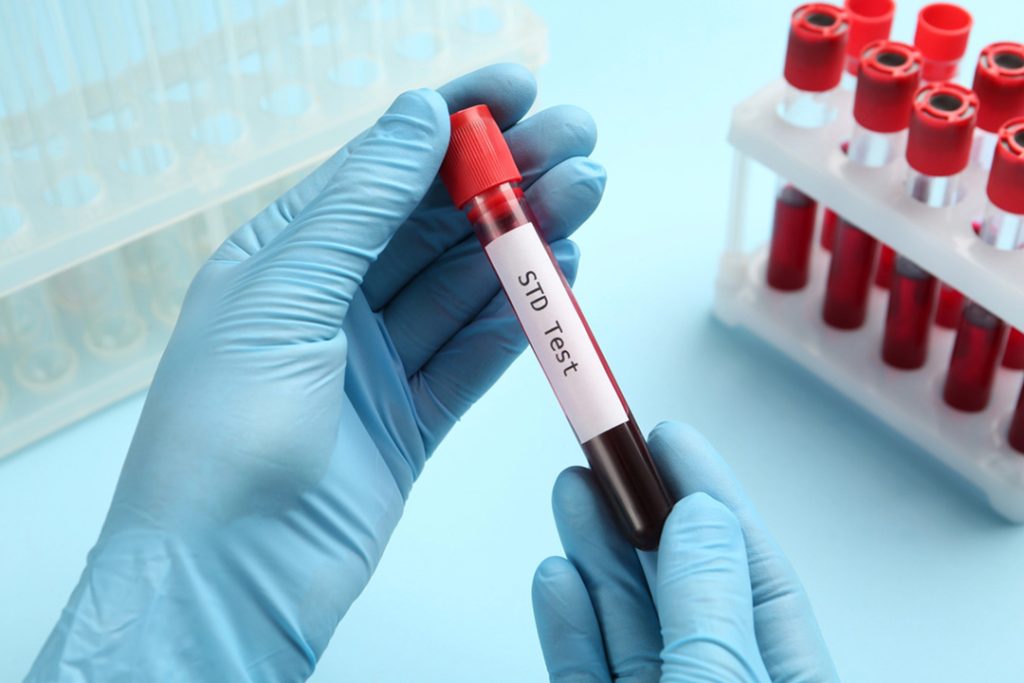
Testing is the cornerstone of sexual health. In Braeswood, the Advanced STD Testing & Treatment Clinic provides confidential, accurate testing, ensuring residents know their status and receive treatment promptly.
How Testing Works at Advanced STD Testing & Treatment Clinic
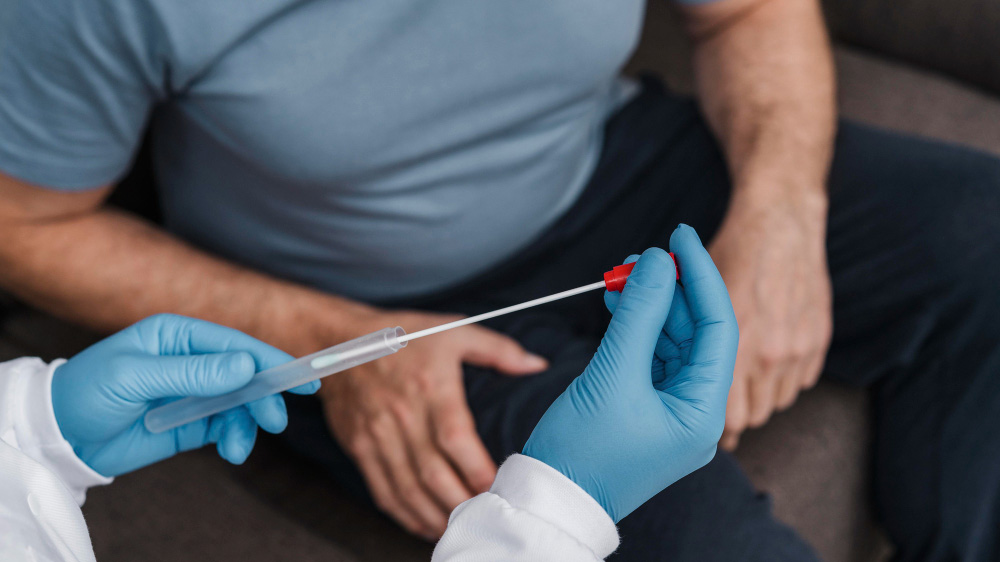
Testing is straightforward and painless. Depending on the infection site, you may have a urine test or a swab taken from the genital area, throat, or rectum. Results are usually available within a few days.
The clinic also offers professional counseling, treatment plans, and follow-up care, making the process stress-free and comprehensive.
Home vs. Clinic Testing
At-home testing kits are available, but they can’t replace the thoroughness and guidance provided by a professional clinic. While convenient, home tests may have higher chances of errors or delayed treatment. Visiting the Advanced STD Testing & Treatment Clinic ensures accuracy and expert support.
Treatment Options
The good news? Chlamydia is highly treatable with the right approach. Early intervention makes recovery quick and effective.
Medications That Work
Treatment usually involves antibiotics such as azithromycin or doxycycline. These medications are highly effective when taken as prescribed. It’s crucial to complete the full course to prevent recurrence or antibiotic resistance.
Lifestyle Adjustments
While on treatment, avoid sexual activity until cleared. Regular testing and adopting safer sex habits will help maintain long-term sexual health. Staying informed and vigilant can prevent reinfection.
Preventing STD Transmission
Prevention is always better than cure. Simple measures can drastically reduce your risk of contracting or spreading chlamydia.
Safe Sex Practices
Condoms and dental dams are highly effective at reducing transmission. While no method is 100% foolproof, combining safe sex practices with regular testing offers strong protection.
Vaccinations That Help
Though there’s no vaccine for chlamydia yet, other vaccines—like HPV and hepatitis B—can protect your overall sexual health. Staying updated on immunizations is a smart strategy.
The Stigma Around STDs
Many people avoid testing because of fear or embarrassment. This stigma makes prevention and treatment harder—but it’s time to change the conversation.
Breaking the Silence in Braeswood
Talking openly about sexual health normalizes testing. Clinics like Advanced STD Testing & Treatment Clinic encourage residents to be proactive, seek help without judgment, and share accurate information.
Why You Shouldn’t Feel Ashamed
Getting an STD isn’t a moral failing. It’s a medical issue that requires attention. Seeking testing and treatment is responsible and brave. Taking control of your health is something to be proud of.
Partner Communication and Responsibility
Open communication with your partner is key to preventing stress, misunderstandings, and further infections.
How to Talk to Your Partner
Be direct but compassionate. Share your concerns and encourage mutual testing. Healthy dialogue builds trust and reduces anxiety around sexual health.
When to Encourage Testing
Testing should be encouraged in several situations:
- Before entering a new relationship
- After unprotected sex
- If symptoms are present
Being proactive is always better than waiting for a problem to escalate.
Advanced STD Testing & Treatment Clinic Serving the Braeswood Community and Beyond in Houston
Advanced STD Testing & Treatment Clinic is dedicated to serving the diverse needs of the local community of Houston, including individuals residing in neighborhoods like Braeswood. With its convenient location near landmarks such as the Karl Young Park and major intersections like S Braeswood and Stella Link Rd. (coordinates: 29.689820291541473, -95.44204846585616), we offer same day STD test Houston services.
Get Same Day STD Test Services At Braeswood Now
Navigate from Braeswood to Advanced STD Testing & Treatment Clinic Now
Taking Control of Your Sexual Health
Chlamydia, the #1 STD, may be common, but it’s entirely manageable with early detection, treatment, and responsible habits. In Braeswood, resources like the Advanced STD Testing & Treatment Clinic make it easier than ever to take charge of your sexual health.
Regular testing, practicing safe sex, and open communication with partners are your best defenses. Knowledge truly is power, and taking control now ensures a healthier, safer future for you and those you care about. Don’t wait—protect yourself and your loved ones today.
FAQs
1. Can you have chlamydia without symptoms?
Yes. Most people with chlamydia show no symptoms, which is why routine testing is essential.
2. How quickly can chlamydia be treated?
Typically, a course of antibiotics clears the infection in 7–14 days.
3. Can chlamydia cause infertility?
Untreated chlamydia can lead to infertility in both men and women, making early detection critical.
4. Is chlamydia curable?
Abolutely. With proper diagnosis and a complete course of antibiotics, chlamydia is fully curable.
5. Should I get tested even if I’m symptom-free?
Yes. Many people are asymptomatic, so regular testing is recommended for anyone sexually active.

Recent Posts
Explore the latest articles on sexual health, testing, and wellness. Stay updated with insights designed to keep you informed and confident about your health choices.