What STDs Do 90% Of People Have?
November 9, 2025
Sexually transmitted diseases, or STDs, are more common than most people realize. In fact, some of them quietly affect nearly everyone who is sexually active at some point in their lives.
If you live in the Willow Meadows/Willowbend Area, this isn’t just some abstract statistic—it’s a local health concern. Many people think STDs only affect “other people,” but the reality is that infections like HPV silently touch nearly 90% of sexually active individuals.
Why should you care? Because ignorance isn’t bliss—it’s risky. Not only do STDs impact your health, but they can also affect your long-term wellbeing, fertility, and even relationships. The good news is that knowledge, regular testing, and preventive habits can protect you. And that’s exactly what we’re going to cover today.
What Is an STD and How Common Are They?
The Definition of STDs
An STD is an infection primarily spread through sexual activity—vaginal, anal, or oral. Some are bacterial, some viral, and a few are even parasitic. The scary part is that these infections don’t discriminate. Age, gender, or lifestyle doesn’t matter—anyone who’s sexually active is at risk.
STDs are more common than most people admit. According to national statistics, millions of new cases are diagnosed every year in the United States alone, and these numbers only account for reported cases. Many infections go undetected because symptoms don’t always appear.
How STDs Spread
The primary mode of transmission is sexual contact. That said, some STDs can also spread through other means, like shared needles, blood transfusions, or from mother to child during childbirth.
Many people unknowingly pass infections to partners because they don’t have visible symptoms—this is why testing is so crucial. Think of STDs as stealthy invaders that quietly spread under the radar unless you actively check for them.
The Surprising Prevalence of Certain STDs
Some STDs are so widespread that they’ve earned the title of “silent epidemics.” Let’s look at the most common ones.
Human Papillomavirus (HPV) – The Most Common STD
What is HPV?
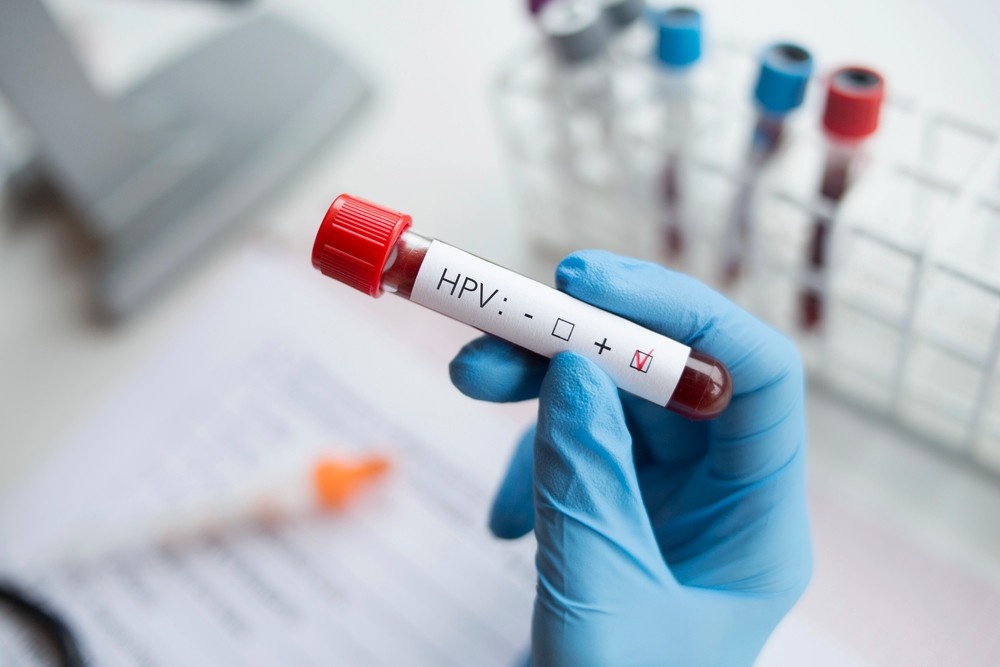
HPV, or human papillomavirus, is the most prevalent STD in the world. Nearly 90% of sexually active people will contract it at some point. HPV is a viral infection affecting the skin and mucous membranes. The tricky part? Most people never know they have it.
HPV has many different strains—some harmless, others high-risk and linked to cancers, including cervical, anal, and throat cancer. The good news is that modern medicine offers ways to prevent and manage the most dangerous strains.
Symptoms and Complications
In many cases, HPV causes no symptoms. Occasionally, it leads to genital warts or growths in the mouth or throat. High-risk strains, however, can silently change cells in ways that may lead to cancer decades later. That’s why even if you feel perfectly healthy, testing remains important.
How HPV Spreads
HPV spreads through intimate skin-to-skin contact, not just penetrative sex. Even sexual activity without intercourse can transmit the virus. Condoms lower the risk but aren’t foolproof because they don’t cover all infected areas. Imagine trying to shield yourself from the rain with a small umbrella—it helps, but some drops will still get through.
Herpes Simplex Virus (HSV) – A Silent Epidemic
Types of Herpes
Herpes is caused by the herpes simplex virus, which comes in two types: HSV-1 and HSV-2. Most people associate HSV-1 with cold sores and HSV-2 with genital herpes, but the truth is that either type can infect the mouth or genitals depending on how exposure occurs.
Symptoms and Outbreaks
Herpes symptoms vary widely. Some people experience painful blisters or itching, while others show no signs at all. Outbreaks can be sporadic or frequent. For many, the first outbreak is the most severe, with later episodes being milder.
Transmission and Prevention
Herpes spreads through direct contact with infected skin or bodily fluids. Condoms reduce the risk, but avoiding contact during active outbreaks is crucial. Antiviral medications help manage symptoms and decrease the chance of passing it to others. Think of herpes like a tiny spark—it’s invisible most of the time, but it can flare up unexpectedly if you’re not careful.
Other Common STDs
Chlamydia and Gonorrhea
Chlamydia and gonorrhea are bacterial infections that are extremely common, particularly among young adults. The problem? They’re often asymptomatic. Untreated infections can lead to pelvic inflammatory disease, chronic pain, and infertility. A simple test and antibiotic treatment can cure these infections, which is why testing is non-negotiable.
Syphilis
Syphilis has been making a comeback in recent years. It progresses in stages, beginning with painless sores and potentially advancing to serious neurological and cardiovascular complications. Early detection through testing is essential to prevent long-term damage.
HIV and Its Misconceptions
HIV isn’t as common as HPV or herpes, but it’s still a major concern. Modern antiretroviral therapy allows people with HIV to live long, healthy lives. Early detection through testing ensures that treatment can start promptly, protecting both the individual and their partners.
Why Most People Don’t Know They Have These STDs
Asymptomatic Cases
A major reason STDs are so prevalent is that they often don’t show symptoms. You could be infected for years and never know it. Silent infections make regular testing essential—it’s like checking the oil in your car. You can’t see it, but without checking, things could go horribly wrong.
Social Stigma and Fear
Shame, embarrassment, and fear of judgment prevent many people from getting tested. This stigma is dangerous because it delays diagnosis and treatment. Open, honest conversations about sexual health are key to breaking this cycle.
The Importance of Testing in Willow Meadows/Willowbend Area
Advanced STD Testing & Treatment Clinic Services
If you’re in Willow Meadows/Willowbend Area, the Advanced STD Testing & Treatment Clinic offers comprehensive services tailored to your needs. They provide confidential testing, same-day results for some infections, and treatment plans designed to fit your lifestyle. Their approach is private, professional, and nonjudgmental—perfect for anyone who wants to take control of their sexual health.
How Regular Testing Protects You and Your Partner
Think of regular testing like preventive maintenance. Just like you wouldn’t drive your car for years without an oil change, you shouldn’t ignore regular STD checks. Testing catches infections early, prevents complications, and protects your partners. It’s proactive, smart, and responsible.

Treatment Options for the Most Common STDs
HPV Treatment and Vaccination
While there’s no cure for HPV itself, complications like genital warts or precancerous lesions can be treated effectively. Vaccines are highly effective at preventing the most dangerous strains, making vaccination a powerful tool in sexual health management.
Herpes Management
Herpes can’t be cured, but antiviral medications reduce the severity and frequency of outbreaks. Stress management, lifestyle adjustments, and safe sexual practices help keep it under control.
Chlamydia, Gonorrhea, Syphilis, and HIV Treatments
Bacterial infections like chlamydia, gonorrhea, and syphilis are curable with antibiotics. HIV, while incurable, is manageable with antiretroviral therapy. Early detection ensures better outcomes and minimizes risks to partners.
Preventive Measures You Can Take Today
Safe Sex Practices
Using condoms, dental dams, and reducing the number of sexual partners are effective ways to reduce STD risk. It’s not just about protection—it’s about control over your health.
Vaccinations and Health Check-Ups
Vaccines like HPV and hepatitis B are essential defenses. Regular check-ups help detect infections early, preventing serious complications. Think of it like a shield that keeps you protected before an attack ever happens.
Open Communication with Partners
Honest conversations about sexual history and testing status aren’t just polite—they’re necessary. Transparency builds trust, reduces anxiety, and creates safer sexual relationships.
Living with an STD: Tips for Mental and Emotional Health
Receiving an STD diagnosis can feel like the world is crashing down, but it doesn’t have to define you. Emotional and mental wellbeing is just as important as physical health. Counseling, support groups, and open discussions with partners can ease the stress. Remember, having an STD is a health issue, not a moral failing—it’s part of your journey, not the whole story.
Advanced STD Testing & Treatment Clinic Serving the Willow Meadows/ Willowbend Area Community and Beyond in Houston
Advanced STD Testing & Treatment Clinic is dedicated to serving the diverse needs of the local community of Houston, including individuals residing in neighborhoods like Willow Meadows/ Willowbend Area. With its convenient location near landmarks such as Westwood Park and major intersections like Omeara Dr. and Woodwind Dr. (coordinates: 29.671833866761524, -95.44205772611333), we offer same day STD test Houston services.
Get Same Day STD Test At Willow Meadows/ Willowbend Area Now
Navigate from Willow Meadows/ Willowbend Area to Advanced STD Testing & Treatment Clinic Now
Taking Charge of Your Sexual Health in Willow Meadows/Willowbend Area
STDs are widespread, with HPV leading the charge, silently affecting nearly 90% of sexually active people at some point. But awareness, prevention, and treatment are your armor.
In the Willow Meadows/Willowbend Area, the Advanced STD Testing & Treatment Clinic makes it easy to take proactive steps—testing, treatment, and education all under one roof. Protect yourself, protect your partners, and take control of your sexual health. Knowledge isn’t just power—it’s freedom.
FAQs
1. What is the most common STD in Willow Meadows/Willowbend Area?
The most common STD is HPV, which affects nearly 90% of sexually active individuals at some point in their lives.
2. Can I have an STD without showing symptoms?
Yes, many STDs, including HPV, herpes, and chlamydia, often show no symptoms, making regular testing critical.
3. How often should I get tested for STDs?
Testing frequency depends on your sexual activity, but annual testing is recommended, or more frequently if you have multiple partners.
4. Does the Advanced STD Testing & Treatment Clinic offer confidential testing?
Yes, we provide private, discreet, and comprehensive STD testing services for all patients.
5. Can STDs be completely cured?
Bacterial STDs like chlamydia, gonorrhea, and syphilis are curable with antibiotics. Viral STDs such as HPV and herpes can be managed but not fully cured.

Recent Posts
Explore the latest articles on sexual health, testing, and wellness. Stay updated with insights designed to keep you informed and confident about your health choices.