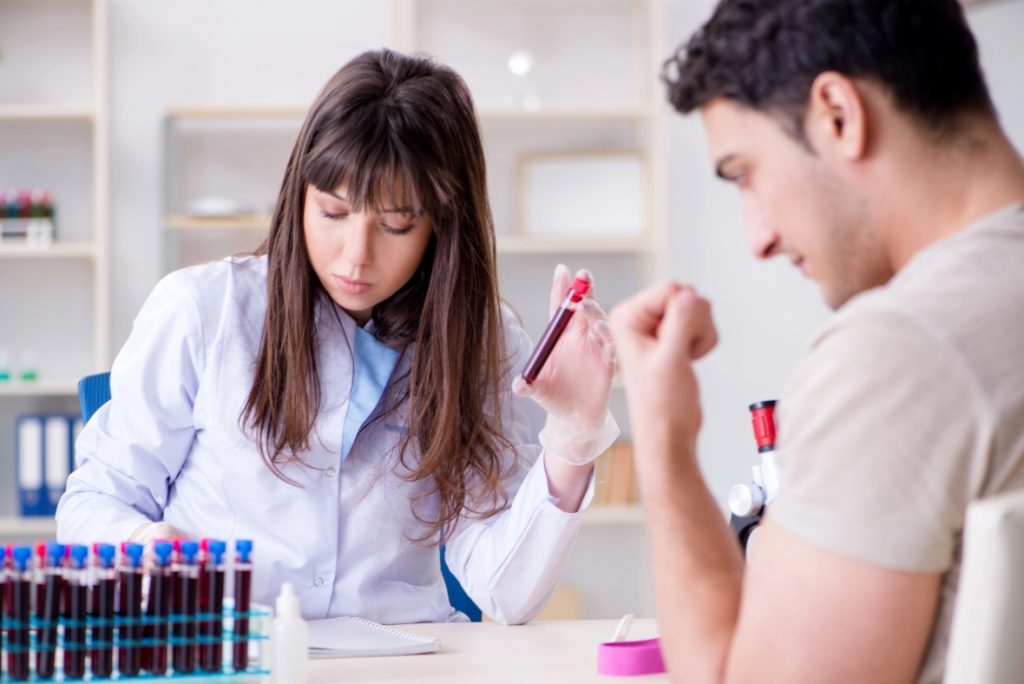
STD Testing Accuracy: How Reliable Are The Different Tests?
December 12, 2025
Getting tested for sexually transmitted diseases (STDs) can feel like walking into a mystery—you know there’s something important at stake, but you might not know exactly what to expect. And with so many types of tests available today, it’s natural to ask: Are these tests really accurate?
At the Advanced STD Testing & Treatment Clinic near Braeburn Glen, accuracy isn’t just a buzzword—it’s a promise. Understanding how reliable different STD tests are, why precision matters, and how to ensure your results are correct can give you peace of mind and protect both your health and the health of those around you.
In this article, we’ll dive deep into the world of STD testing, uncover myths, explain how tests work, and guide you on getting the most reliable results. By the end, you’ll feel confident that you’re making informed decisions about your sexual health.
Why Accuracy Matters in STD Testing
Preventing Health Complications
Accurate STD testing isn’t just about numbers on a report—it’s about your future health. Undiagnosed STDs can lead to severe complications. For instance, untreated chlamydia can cause pelvic inflammatory disease and even infertility, while untreated HIV can progress to AIDS if not caught early. Similarly, hepatitis B or C infections can silently damage your liver over time.
Imagine ignoring a small leak in your roof—it might seem harmless at first, but left unchecked, it can flood your entire house. That’s what undetected STDs can do to your body. Accuracy ensures early detection, giving you a chance to act before things get complicated.
Protecting Partners and the Community
Accuracy doesn’t just protect you—it protects the people you care about. A false negative result can inadvertently put partners at risk, spreading infections that could have been prevented. Reliable testing is critical for public health, sexual responsibility, and peace of mind.
At Advanced STD Testing & Treatment Clinic, the combination of professional care, state-of-the-art equipment, and certified labs ensures that the results you receive reflect your actual health, allowing you to make safe, informed decisions.
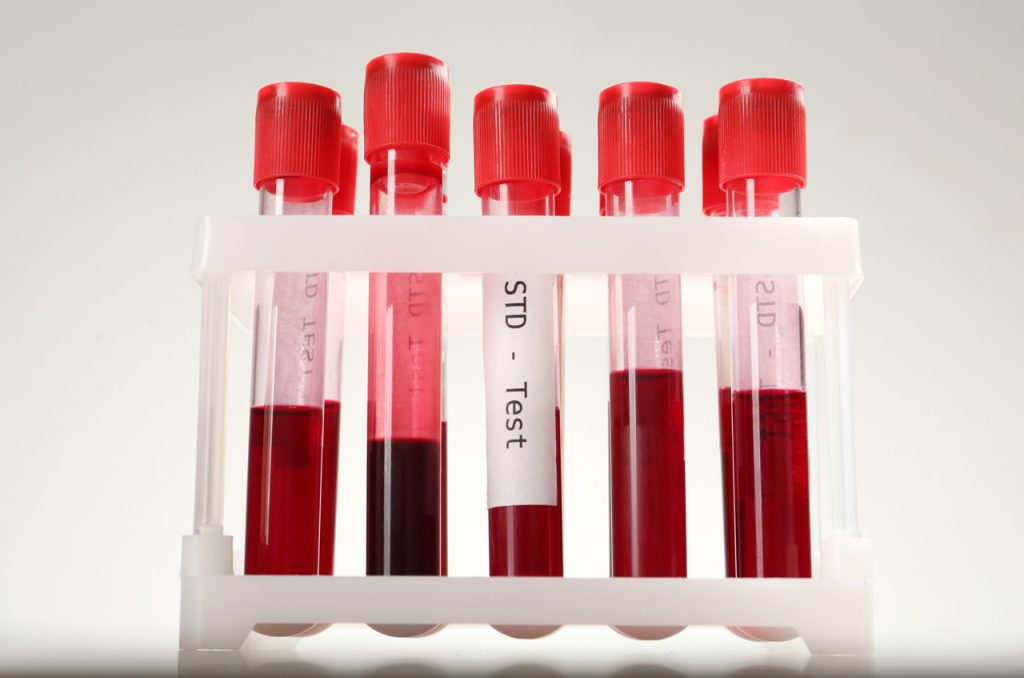
Types of STD Tests
Not all STD tests are created equal. Each has its strengths, limitations, and ideal scenarios for use. Understanding your options is key to trusting your results.
Blood Tests
Blood tests are among the most accurate methods for detecting infections such as HIV, syphilis, and hepatitis. They measure antibodies or the presence of the virus itself and often provide a clear picture of your health status.
HIV Testing Accuracy
Modern HIV blood tests are highly accurate, with over 99% reliability after the appropriate window period—usually 2–6 weeks post-exposure. Testing too early can result in a false negative, which is why timing is critical.
Think of it like baking a cake—you can’t check if it’s done after just five minutes in the oven. The same principle applies to HIV testing: give it enough time for the infection to be detectable.
Syphilis Testing Accuracy
Syphilis testing is generally very reliable, with blood tests often detecting the infection at nearly 100% accuracy during later stages. Early-stage syphilis, however, can be tricky to catch, so repeat testing may be necessary if exposure was recent.
Urine Tests
Urine tests are often used to detect infections such as chlamydia and gonorrhea. They are non-invasive, convenient, and highly reliable when collected correctly.
Chlamydia and Gonorrhea Accuracy
Urine-based nucleic acid amplification tests (NAATs) are considered the gold standard for chlamydia and gonorrhea detection. They can detect even very small amounts of bacteria, giving accuracy rates of over 95%. Proper sample collection is critical—too little urine or improper handling can lead to inaccurate results.
Swab Tests
Swab tests involve collecting a sample from the genital, oral, or anal area to detect specific infections. They are especially useful for infections localized in certain areas of the body.
Genital and Oral Swab Accuracy
Swab tests are excellent for detecting gonorrhea, chlamydia, and human papillomavirus (HPV). Accuracy often exceeds 90% when collected correctly. For example, a throat swab for gonorrhea can detect infections that a urine test might miss. The method is precise, but only if the sample is properly taken and handled.
Rapid Tests / Point-of-Care Tests
Rapid tests provide results within minutes, which can be convenient for those who want quick answers. These tests are often used for HIV and syphilis.
Speed vs. Accuracy Trade-offs
Rapid HIV tests are highly accurate but slightly less so than laboratory-based blood tests. Think of it as using a GPS versus a traditional map: both will get you there, but one might be slightly more precise. Confirmatory testing in a lab is recommended to ensure the result is correct.
Factors That Affect STD Test Accuracy
Even the most advanced tests can be influenced by a few key factors. Understanding these can help you get the most reliable results.
Timing of the Test
Every infection has a “window period,” which is the time after exposure when a test might not detect the infection. Testing too early can produce a false negative, giving a misleading sense of security. Following your clinic’s guidance on timing is crucial.
Quality of the Sample
A poorly collected sample can result in inaccurate results. Whether it’s a urine sample, blood draw, or swab, proper collection and handling are essential. At Advanced STD Testing & Treatment Clinic, trained professionals ensure samples are collected correctly every time.
Lab Errors and Test Sensitivity
Even the best tests can fail if the lab processing them is subpar. Test sensitivity—how well a test detects the infection when it’s present—matters a lot. Certified labs, like those used at our Braeburn Glen clinic, minimize errors and provide highly reliable results.
How Advanced STD Testing & Treatment Clinic Ensures Accuracy
When it comes to STD testing in Braeburn Glen, our clinic prioritizes precision at every step.
Certified Labs and State-of-the-Art Equipment
We partner with certified laboratories that use cutting-edge technology to analyze samples. This reduces errors and ensures that your results truly reflect your health.
Professional Staff and Proper Sample Handling
Our trained staff collect and handle samples with care. Every specimen is labeled, stored, and processed according to strict protocols, so your results aren’t compromised by human error.
Common Myths About STD Test Accuracy
Misunderstandings about STD testing are widespread. Let’s debunk some of the most common myths.
“One Test is Enough” Myth
Many people think a single test will detect all STDs. In reality, different infections require different tests, and sometimes follow-up tests are necessary to confirm results.
“Home Test Kits Are Always Reliable” Myth
Home test kits are convenient but not always accurate. Clinics like Advanced STD Testing & Treatment Clinic offer controlled environments, certified tests, and expert interpretation, making professional testing far more reliable.
Interpreting Test Results
Knowing your results is one thing; understanding them is another.
Understanding False Positives and False Negatives
A false positive occurs when a test indicates an infection that isn’t present, while a false negative misses an infection that is there. Awareness of these possibilities helps you avoid panic or complacency.
Follow-Up Testing Recommendations
Follow-up tests are sometimes necessary, especially after recent exposure. Your healthcare provider will guide you on timing, additional tests, and next steps to ensure accurate diagnosis and treatment.
Tips to Ensure Your STD Test Is Accurate
- Schedule testing after the recommended window period – testing too early can give false negatives.
- Choose certified clinics like Advanced STD Testing & Treatment Clinic – professional handling and certified labs increase reliability.
- Follow pre-test instructions carefully – this may include fasting or avoiding urination before sample collection.
- Provide accurate exposure information – honesty about recent sexual activity helps determine which tests to perform.
- Don’t skip follow-up tests if advised – retesting ensures early-stage infections are not missed.
Advanced STD Testing & Treatment Clinic Serving the Braeburn Glen Community and Beyond in Houston
Advanced STD Testing & Treatment Clinic is dedicated to serving the diverse needs of the local community of Houston, including individuals residing in neighborhoods like Braeburn Glen. With its convenient location near landmarks such as the Stein Family Park and major intersections like Valley View Ln. and Mahoning Dr. (coordinates: 29.68082707915182, -95.54556650296347), we offer cheap STD testing Houston services.
Get Cheap STD Testing At Braeburn Glen Now
Navigate from Braeburn Glen to Advanced STD Testing & Treatment Clinic Now
Conclusion
Accurate STD testing is more than just a health check—it’s a safeguard for your future and the well-being of your partners. While no test is perfect, understanding types of tests, timing, proper sample handling, and the factors affecting accuracy can drastically improve your confidence in the results.
At Advanced STD Testing & Treatment Clinic in Braeburn Glen, precision, professionalism, and patient care are at the forefront. Early detection saves lives, prevents complications, and empowers you to make informed decisions. Remember, taking control of your sexual health today is one of the most responsible and impactful choices you can make.
FAQs
1. How soon after exposure should I get tested for STDs?
Testing times vary. HIV tests usually require 2–6 weeks, while chlamydia and gonorrhea may be detectable within 1–5 days. Follow your healthcare provider’s guidance.
2. Can I trust rapid STD tests?
Rapid tests are convenient and fairly accurate, but confirmatory lab tests are recommended for precise results.
3. Why might I get a false negative result?
Testing too early, poor sample collection, or lab errors can lead to false negatives. Timing and proper handling are key.
4. Are home STD tests reliable?
Some are accurate, but professional clinics provide higher reliability due to certified labs, professional collection, and expert interpretation.
5. How often should I get tested for STDs?
Frequency depends on sexual activity, number of partners, and risk factors. Experts recommend at least once a year or more if you have multiple partners.

Recent Posts
Explore the latest articles on sexual health, testing, and wellness. Stay updated with insights designed to keep you informed and confident about your health choices.