How Does An STD Start?
November 24, 2025
Sexually transmitted diseases, or STDs, are more common than many people realize, yet they’re often misunderstood. If you’ve ever wondered, “How does an STD start?” you’re not alone.
Many of us have questions about how infections take hold, what puts us at risk, and how to stay safe. Understanding the origins and transmission of STDs is essential for protecting yourself and your partners.
Today, we’ll explore everything you need to know—from the very first moment an infection begins, to the ways you can prevent, detect, and treat STDs—right here in Rice Village, with guidance from the trusted Advanced STD Testing & Treatment Clinic.
Understanding STDs: The Basics
What Are STDs?
At their core, STDs are infections passed from one person to another through intimate contact. They can be caused by bacteria, viruses, or parasites. Some STDs, like gonorrhea or chlamydia, are bacterial and can be cured with antibiotics. Others, like herpes or HIV, are viral and can be managed but not fully cured.
Think of STDs like uninvited guests sneaking into your home—they can arrive quietly, multiply quickly, and cause serious problems if left unchecked. Some people notice symptoms almost immediately, while others may carry an infection for months or even years without realizing it. That’s why knowledge, awareness, and regular testing are so critical.
Common Types of STDs
There are dozens of STDs, but a few are more common than others. The most frequently seen include:
- Chlamydia – Often symptomless but can cause pain or abnormal discharge.
- Gonorrhea – Bacterial infection affecting genital and sometimes throat areas.
- Syphilis – Bacterial infection that progresses in stages, starting with sores.
- Herpes (HSV-1 and HSV-2) – Viral infection causing painful sores and blisters.
- HIV – Virus attacking the immune system, which can lead to AIDS if untreated.
- HPV (Human Papillomavirus) – Viral infection causing warts and sometimes cancer.
- Trichomoniasis – Parasitic infection leading to itching and discharge.
Each STD has its own “personality.” Some are silent, some are flashy with visible symptoms, and some can be lifelong if untreated. Knowing the types helps you recognize what to look out for and what tests you might need.

How STDs Begin: The Infection Process
Transmission Through Sexual Contact
Most STDs start with sexual contact. This includes vaginal, anal, and oral sex. The infection occurs when pathogens—tiny bacteria, viruses, or parasites—move from an infected person’s tissue to another’s mucous membranes.
You can imagine it like a game of tag. The pathogen is “it,” and the mucous membranes are the safe zones—but once tagged, the pathogen begins multiplying, spreading quietly, and sometimes causing noticeable symptoms later.
Non-Sexual Transmission Routes
Not all STDs need sexual contact to spread. Some infections, such as HIV or hepatitis B, can be transmitted through:
- Sharing needles or syringes
- Receiving contaminated blood transfusions
- Mother-to-child transmission during pregnancy or childbirth
Even sharing items like razors or toothbrushes can carry risk in rare cases, because blood or bodily fluids may be present. While sexual contact remains the most common route, it’s important to remember that other pathways exist, which is why awareness and caution matter.
How Pathogens Enter the Body
STDs enter through mucous membranes, which are soft, moist linings found in the genitals, mouth, or rectum. Once inside, pathogens start multiplying. Some infections, like HPV or HIV, can lie dormant for weeks or months before symptoms appear, which is why early testing is so critical.
Risk Factors That Increase STD Transmission
While anyone can contract an STD, certain factors make infection more likely.
Behavioral Risks
Some behaviors significantly increase your chances of getting an STD:
- Having multiple sexual partners
- Not using condoms consistently
- Engaging in casual sex without prior testing
- Using alcohol or drugs that impair judgment
Think of it like driving at night without headlights—you’re not always aware of the hazards around you, and you’re more likely to get hurt.
Biological and Health Risks
Biological factors also play a role. Women are generally more susceptible to certain infections due to thinner mucous membranes. People with weakened immune systems, chronic illnesses, or pre-existing infections may also be more vulnerable.
Partner-Related Risks
Your partner’s health significantly impacts your risk. If your partner has an untreated STD, your chances of contracting it rise dramatically. Open communication, mutual testing, and honesty are essential to protect both yourself and your partner.
Early Signs and Symptoms of STDs
Visible Symptoms
Some STDs present with clear, visible symptoms. These may include:
- Sores, bumps, or rashes on the genitals or mouth
- Unusual discharge from the penis, vagina, or anus
- Pain during urination or sexual activity
Visible symptoms make it easier to suspect an infection, but not all STDs are obvious.
Subtle or Hidden Symptoms
Many STDs are stealthy. They may cause fatigue, mild discomfort, or irregular bleeding, which can easily be mistaken for other health issues. This is why routine testing is critical—even if you feel healthy, you could be carrying an infection.
The Advanced STD Testing & Treatment Clinic in Rice Village emphasizes the importance of regular checkups to catch infections before they become serious.
Why Timely Testing Matters
Consequences of Untreated STDs
Untreated STDs can have serious consequences, such as:
- Infertility or reproductive health issues
- Chronic pain or pelvic inflammatory disease (PID)
- Increased risk of HIV infection
- Long-term organ damage
Leaving an infection untreated is like ignoring a leaking pipe in your house—it may seem small at first, but over time it can cause major damage.
Benefits of Early Detection
Early detection allows for prompt treatment, reducing complications and preventing transmission to others. Testing also provides peace of mind, helping you take control of your health and relationships.

Getting Tested in Rice Village
Advanced STD Testing & Treatment Clinic Overview
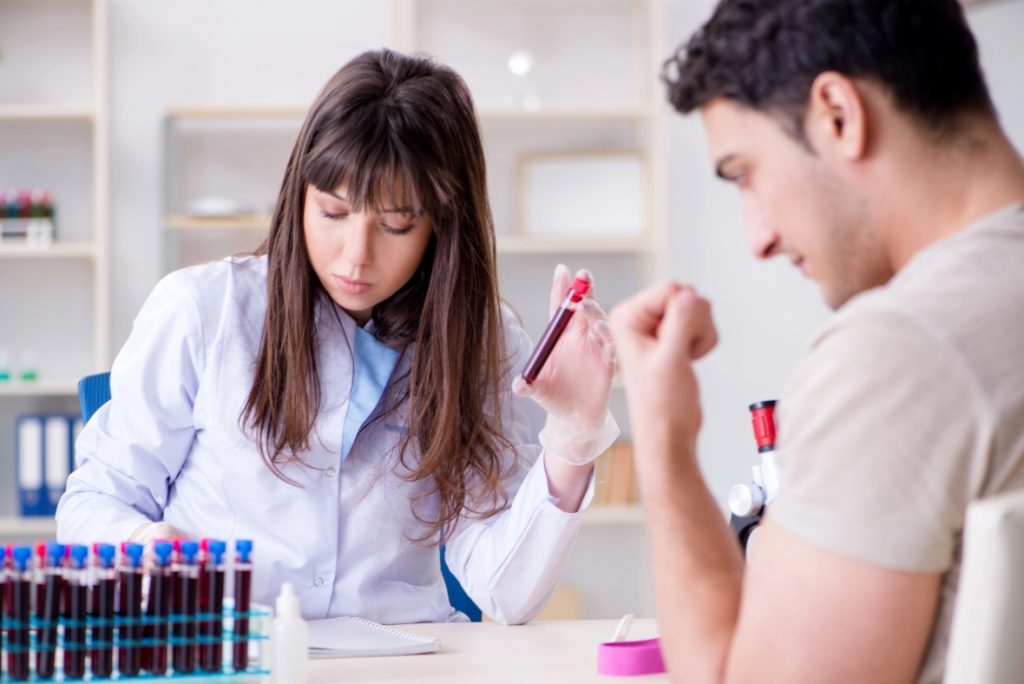
If you live in Rice Village, the Advanced STD Testing & Treatment Clinic is your go-to resource for confidential, comprehensive testing and treatment. They provide expert care in a judgment-free environment, helping patients feel comfortable while prioritizing privacy.
Types of Tests Offered
The clinic offers a wide range of testing options:
- Blood tests for HIV, syphilis, and hepatitis
- Urine tests for chlamydia and gonorrhea
- Swabs for herpes, trichomoniasis, and HPV
- Rapid testing for same-day results
Whether it’s your first test or routine screening, the clinic ensures accuracy and speed.
Confidentiality and Care
Privacy is a priority. Results are confidential, and treatment plans are tailored to each patient’s unique needs. The clinic also offers counseling and guidance, making sure you understand your diagnosis and next steps.
Prevention Strategies
Safe Sexual Practices
Using condoms, dental dams, and limiting sexual partners are your best defenses. These tools act as shields, preventing pathogens from crossing into your body. Mutual monogamy with a tested partner is another strong prevention method.
Vaccinations
Vaccines like HPV and hepatitis B provide added protection. They prevent infection before it even starts, making them a crucial part of a proactive health plan. Ask your provider at the Advanced STD Testing & Treatment Clinic which vaccines are appropriate for you.
Regular Health Checkups
Routine screenings, even in the absence of symptoms, are essential. Prevention isn’t just about avoiding risk—it’s about staying informed, monitoring your health, and taking action when necessary.
Common Misconceptions About STD Transmission
Myth vs. Fact
There are many misconceptions about STDs:
- Myth: You can tell if someone has an STD by their appearance.
- Fact: Most STDs are invisible, and symptoms can be mild or nonexistent.
- Myth: Only promiscuous people get STDs.
- Fact: Anyone who is sexually active can contract an STD.
Understanding the facts helps reduce stigma and encourages responsible behavior.
Living with an STD
Emotional and Mental Health
Receiving an STD diagnosis can be emotionally challenging. Feelings of anxiety, shame, or fear are common. Counseling, support groups, and guidance from healthcare providers can help you cope and maintain a positive mindset.
Managing Treatment and Lifestyle
Most STDs can be managed effectively. Following your treatment plan, practicing safe sex, and maintaining a healthy lifestyle are key. Knowledge, consistency, and communication are your best allies in living with an STD without letting it control your life.
When to Seek Professional Help
Recognizing Red Flags
Seek help if you notice:
- Persistent or worsening symptoms
- Recurring infections
- New sexual partners without testing
Prompt professional care prevents complications and reduces the risk of spreading the infection.
How Advanced STD Testing & Treatment Clinic Can Help
The Advanced STD Testing & Treatment Clinic in Rice Village specializes in early detection, personalized treatment plans, and ongoing support. Their compassionate approach ensures that patients feel supported throughout their journey to better sexual health.
Advanced STD Testing & Treatment Clinic Serving the Rice Village Community and Beyond in Houston
Advanced STD Testing & Treatment Clinic is dedicated to serving the diverse needs of the local community of Houston, including individuals residing in neighborhoods like Rice Village. With its convenient location near landmarks such as the Jennie Elizabeth Hughes Park and major intersections like Mercer St. and Cason St. (coordinates: 29.698809075792603, -95.43169064091126, we offer cheap STD testing Houston services.
Get Cheap STD Testing Services At Rice Village Now
Navigate from Rice Village to Advanced STD Testing & Treatment Clinic Now
Conclusion
STDs don’t have to be mysterious or frightening. By understanding how infections start, recognizing risk factors, and seeking timely testing and treatment, you can protect yourself and your partners.
With local resources like the Advanced STD Testing & Treatment Clinic in Rice Village, taking control of your sexual health has never been easier. Knowledge, prevention, and early intervention are your strongest tools—because your health is worth protecting.
FAQs
1. How soon after exposure can I get tested for an STD?
Most STDs require a window period before testing is accurate—usually 1-3 weeks for bacterial infections and up to 3 months for viral infections. Check with your clinic for specifics.
2. Can STDs be transmitted even without symptoms?
Yes. Many STDs are asymptomatic, meaning you could spread or contract an infection without knowing it. Routine testing is essential.
3. Are STD tests confidential at Advanced STD Testing & Treatment Clinic?
Absolutely. The clinic prioritizes privacy, ensuring results and treatments remain confidential.
4. Can I get an STD from a toilet seat or casual contact?
Very unlikely. Most STDs require intimate contact or blood exposure to transmit. Casual touch, hugging, or sitting on a toilet seat is generally safe.
5. How can I protect myself from STDs?
Using condoms, practicing monogamy, getting vaccinated, and regular testing are the most effective preventive measures.

Recent Posts
Explore the latest articles on sexual health, testing, and wellness. Stay updated with insights designed to keep you informed and confident about your health choices.