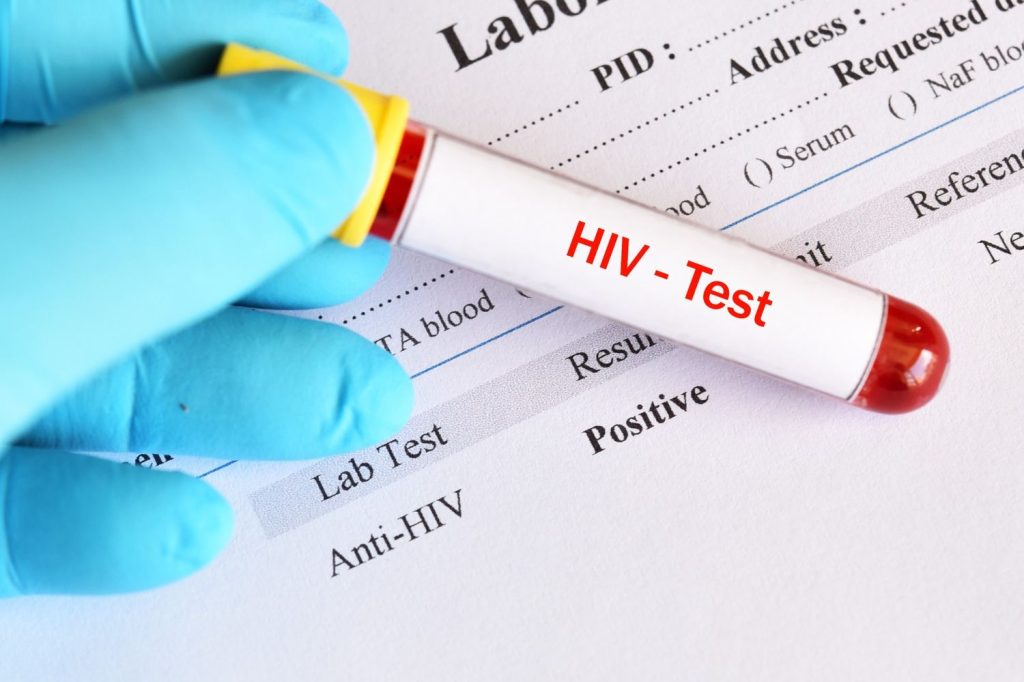
How Often Sexually Active Adults Need HIV Testing
March 19, 2026
Human Immunodeficiency Virus (HIV) remains an important public health concern worldwide. Regular HIV testing helps people understand their health status, access treatment early, and reduce the risk of spreading the virus to others. For sexually active adults, knowing how often HIV testing is recommended can help maintain sexual health and support responsible decision-making.
Health organizations and medical guidelines provide recommendations based on factors such as sexual activity, number of partners, condom use, and potential exposure risks. This guide explains how often sexually active adults should test for HIV, what affects testing frequency, and why regular screening plays an important role in overall sexual health.
Understanding HIV and Why Testing Matters
HIV is a virus that attacks the immune system, specifically CD4 cells (T cells), which help the body fight infections. Over time, untreated HIV can weaken the immune system and lead to Acquired Immunodeficiency Syndrome (AIDS).
HIV spreads through certain bodily fluids, including:
- Blood
- Semen
- Vaginal fluids
- Rectal fluids
- Breast milk
The most common transmission routes include unprotected sexual contact, sharing needles, and exposure to infected blood.
Many people with HIV do not experience symptoms for years. Because of this, testing is the only reliable way to know your HIV status. Early diagnosis allows individuals to begin antiretroviral therapy (ART), which helps control the virus and maintain immune health.
Regular HIV testing also supports public health by reducing undiagnosed infections and encouraging safer behaviors.
General HIV Testing Recommendations for Adults
Health authorities recommend that all adults between the ages of 13 and 64 receive at least one HIV test in their lifetime. However, sexually active adults often require testing more frequently.
For individuals who are sexually active but considered low risk, testing at least once per year is generally recommended. This yearly screening helps detect infections early and supports responsible sexual health monitoring.
Routine HIV testing may also be included as part of:
- Annual physical examinations
- Sexual health screenings
- Prenatal care
- STD testing panels
In many cases, healthcare providers recommend HIV screening alongside tests for chlamydia, gonorrhea, and syphilis, as these infections can share similar risk factors.
How Sexual Behavior Influences Testing Frequency
Testing frequency often depends on sexual behaviors and exposure risk. Individuals who have new or multiple partners may benefit from more frequent screening.
People With Multiple Sexual Partners
Sexually active adults with multiple partners face a higher chance of exposure to sexually transmitted infections (STIs), including HIV. For this group, many healthcare providers recommend testing every 3 to 6 months.
Frequent testing helps identify infections early and supports safer sexual practices within relationships.
Individuals in New Relationships
When entering a new sexual relationship, both partners may consider HIV testing before engaging in unprotected sex. This step promotes transparency and reduces the risk of unknowingly transmitting HIV.
Couples often include HIV testing as part of a broader STD screening plan before deciding to stop using condoms.
Men Who Have Sex With Men (MSM)
Men who have sex with men represent a group with higher rates of HIV transmission in many regions. Because of this, medical guidelines often recommend testing every 3 to 6 months, especially for individuals with multiple partners or those not consistently using condoms.
Regular testing supports early treatment and lowers the risk of unknowingly transmitting the virus.
HIV Testing for People With Higher Risk Exposure
Certain behaviors or exposures increase the likelihood of HIV transmission. Individuals in these situations may require testing more frequently than the general population.
People Who Share Needles or Injection Equipment
Sharing needles or drug injection equipment can allow infected blood to enter the bloodstream. Individuals who inject drugs are often advised to test every 3 months or as recommended by a healthcare professional.
Needle-sharing is one of the most efficient ways HIV can spread, which is why consistent testing is encouraged.
Individuals With HIV-Positive Partners
People who have sexual partners living with HIV may require regular testing as part of a preventive care strategy. Even when the HIV-positive partner is receiving treatment and maintaining an undetectable viral load, routine testing helps monitor health status.
Healthcare providers may also discuss Pre-Exposure Prophylaxis (PrEP), a medication that reduces the risk of acquiring HIV.
The Role of the HIV Testing Window Period
The window period is the time between HIV exposure and when a test can reliably detect the virus. Understanding this concept helps determine the right time to test after a potential exposure.
Different HIV tests have different window periods:
- Nucleic Acid Test (NAT): Detects HIV in about 10–33 days after exposure
- Antigen/Antibody Test: Detects infection in about 18–45 days
- Antibody Test: May detect HIV in about 23–90 days
Testing too early may lead to a negative result even if infection has occurred. If someone suspects recent exposure, healthcare providers often recommend repeat testing after the window period to confirm results.
Signs That You Should Consider Immediate HIV Testing
Although HIV often develops without noticeable symptoms in early stages, certain situations should prompt immediate testing.
You may want to test as soon as possible if you:
- Had unprotected sex with a new partner
- Shared needles or drug injection equipment
- Experienced a condom break during intercourse
- Were diagnosed with another sexually transmitted infection
- Had a partner who recently tested positive for HIV
Early symptoms of HIV infection can sometimes resemble flu-like illness. These may include fever, fatigue, swollen lymph nodes, sore throat, or rash. However, symptoms alone are not reliable indicators, so testing remains the best method for confirmation.
How HIV Testing Works
Modern HIV testing is simple, fast, and widely available. Several types of tests can detect the virus or the body’s response to infection.
Blood Tests
Blood tests performed in clinics or laboratories are among the most accurate methods. These tests can detect both HIV antibodies and antigens, allowing earlier detection compared with older tests.
Results may be available within a few days, depending on the laboratory.
Rapid HIV Tests
Rapid tests use a small blood sample from a finger prick or oral fluid from the mouth. Results are often available in 20 minutes or less, making them a convenient option for many people.
Positive rapid tests are usually followed by a confirmatory laboratory test.
At-Home HIV Test Kits
At-home testing kits allow individuals to collect samples privately and send them to a laboratory. These tests provide confidentiality and convenience, though follow-up testing may be required if results are positive.
The Importance of Routine STD Screening
HIV testing is often part of broader sexually transmitted infection screening. Many STIs share similar transmission routes and risk factors.
Routine STD testing may include screening for:
- Chlamydia
- Gonorrhea
- Syphilis
- Hepatitis B
- Hepatitis C
Having another STI can increase the risk of acquiring HIV because infections may cause inflammation or open sores that make transmission easier.
For sexually active adults, combining HIV testing with comprehensive STD screening creates a more complete approach to sexual health.
At Advanced STD Testing & Treatment Clinic, healthcare professionals provide confidential testing services that support early detection and informed health decisions.
HIV Prevention and Testing Together
Testing alone does not prevent HIV, but it plays an important role in prevention strategies. When individuals know their HIV status, they can take steps to protect themselves and their partners.
Common HIV prevention methods include:
- Consistent condom use
- Limiting the number of sexual partners
- Routine STD testing
- Pre-Exposure Prophylaxis (PrEP) for people at higher risk
- Avoiding needle sharing
People living with HIV who receive consistent treatment can achieve an undetectable viral load, meaning the virus is controlled and cannot be transmitted sexually. This concept is often summarized as Undetectable = Untransmittable (U=U).
Regular testing helps identify infections early so treatment can begin as soon as possible.
When to Talk With a Healthcare Provider About HIV Testing
Although general guidelines exist, individual circumstances may change testing recommendations. A healthcare provider can evaluate personal risk factors and suggest an appropriate screening schedule.
You may want to discuss HIV testing with a medical professional if you:
- Have new or multiple sexual partners
- Are considering stopping condom use with a partner
- Have concerns about possible exposure
- Want to begin PrEP for HIV prevention
At Advanced STD Testing & Treatment Clinic, patients can receive confidential HIV testing, sexual health guidance, and follow-up care when needed.
Reliable HIV Testing Houston: Why Choose Advanced STD Testing & Treatment Clinic Near Greater Uptown
When it comes to protecting your sexual health, choosing the right clinic for HIV testing Houston services matters. Residents and professionals in Greater Uptown often look for testing centers that provide privacy, accurate results, and a supportive environment. That is exactly what you can expect at the Advanced STD Testing & Treatment Clinic.
HIV testing is a simple but important step in maintaining long-term health. Whether you are testing for routine screening, entering a new relationship, or addressing a recent concern, working with a trusted clinic can make the process easier and more comfortable.
Below are several reasons why individuals seeking HIV testing in Houston near Greater Uptown choose our clinic for their sexual health needs.
Convenient Location Near Greater Uptown
Accessibility is one of the most important factors when choosing a testing clinic. Our clinic is located near the Greater Uptown Houston area, making it easy for residents, professionals, and visitors to access reliable HIV testing without traveling far.
Many patients appreciate the convenience of scheduling a test near where they live or work. This allows them to complete testing quickly and continue with their day without unnecessary delays.
For individuals with busy schedules, having a trusted testing center nearby makes routine sexual health screening more manageable.
Private and Confidential Testing Experience
Privacy is a common concern when seeking HIV testing. At Advanced STD Testing & Treatment Clinic, confidentiality is a top priority.
Our clinic follows strict medical privacy standards to ensure that all personal information and test results remain secure. Patients can feel confident knowing their health information is handled professionally and discreetly.
From check-in to receiving results, the testing process is designed to respect your privacy and comfort.
Accurate Testing With Modern Diagnostic Methods
Reliable results are essential when it comes to HIV testing. Our clinic uses modern diagnostic tools that are designed to detect HIV with high accuracy.
Testing methods may include advanced antigen and antibody testing, which can detect HIV earlier than older testing methods. Early detection helps individuals receive medical guidance and treatment options sooner if needed.
Patients seeking HIV testing Houston services often choose clinics that use updated testing technology because it provides greater confidence in their results.
Fast and Efficient Appointment Process
Many people avoid HIV testing because they believe the process will be complicated or time-consuming. At our clinic, the process is designed to be simple and efficient.
Appointments are scheduled to reduce wait times, allowing patients to receive testing quickly. In many cases, the entire visit can be completed within a short timeframe.
This streamlined approach makes routine screening more convenient, especially for individuals balancing work, family responsibilities, and personal commitments.
Supportive and Professional Medical Staff
Sexual health testing can feel uncomfortable for some people. Our medical team works to create a respectful and supportive environment for every patient.
Healthcare professionals at Advanced STD Testing & Treatment Clinic provide clear information about HIV testing, answer questions, and help patients understand their results. The goal is to make the experience informative rather than stressful.
Patients are encouraged to discuss their concerns openly so they can receive guidance that fits their situation.
Comprehensive STD Screening Options
Many patients seeking HIV testing in Houston services also want broader sexual health screening. HIV testing is often included as part of a full STD panel.
Additional tests may include screening for:
- Chlamydia
- Gonorrhea
- Syphilis
- Hepatitis B
- Hepatitis C
Testing for multiple infections during one visit allows patients to gain a more complete understanding of their sexual health.
Routine STD screening is particularly recommended for individuals who are sexually active, have new partners, or want regular health monitoring.
Ideal for Routine Screening or Peace of Mind
HIV testing is recommended for adults at least once in their lifetime and more frequently for sexually active individuals. Many patients visit our clinic simply to stay informed about their health.
Testing can provide peace of mind in several situations:
- Starting a new relationship
- After unprotected sexual contact
- Following potential exposure
- As part of regular sexual health screening
Regular testing helps people make informed decisions about their health and relationships.
Trusted HIV Testing Houston Near Greater Uptown
Choosing a reliable clinic for HIV testing in Houston near Greater Uptown ensures that the process is handled professionally and respectfully.
Patients choose Advanced STD Testing & Treatment Clinic because they want:
- Confidential testing services
- Accurate laboratory diagnostics
- Convenient scheduling
- Professional medical support
- A comfortable environment for sexual health care
Our clinic focuses on providing clear information and quality medical care so patients can feel confident about their testing experience.
Schedule Your HIV Test Today
Taking control of your sexual health starts with reliable testing. If you are looking for HIV testing Houston in Greater Uptown, our clinic offers confidential services designed to make the process straightforward and comfortable.
Routine HIV testing helps individuals stay informed, protect their partners, and access medical guidance when needed.
Schedule your appointment today and take a proactive step toward maintaining your health.
Advanced STD Testing & Treatment Clinic Serving the Greater Uptown and Beyond in Houston
Advanced STD Testing & Treatment Clinic is dedicated to serving the diverse needs of the local community of Houston, including individuals residing in neighborhoods like Greater Uptown. With its convenient location near landmarks such as the Baseball Field and major intersections like Augusta Dr. and Valley Forge Dr. (coordinates: 29.752782460797263, -95.4834510370585), we offer HIV testing Houston services.
Get HIV Testing At Greater Uptown Now
Navigate from Greater Uptown to Advanced STD Testing & Treatment Clinic Now
Final Thoughts
For sexually active adults, HIV testing is a normal part of responsible health care. While many people test once per year, others may benefit from testing every 3 to 6 months depending on their level of risk.
Understanding testing frequency, recognizing potential exposure situations, and including HIV screening in regular STD testing can support early diagnosis and better health outcomes.
With modern testing methods, the process is fast, accurate, and accessible. By staying informed and scheduling routine screenings, individuals can take a proactive approach to sexual health and protect both themselves and their partners.
FAQs
1. How often should sexually active adults get tested for HIV?
Most healthcare guidelines recommend that sexually active adults get HIV testing at least once a year as part of routine sexual health screening. However, some individuals may need more frequent testing. People with multiple partners, those who have unprotected sex, or individuals with partners whose HIV status is unknown may benefit from testing every 3 to 6 months. Regular screening helps detect infections earlier and supports informed decisions about sexual health.
2. When should someone get an HIV test after possible exposure?
The timing of an HIV test depends on the window period, which is the time between exposure and when the virus can be detected by a test. Some modern tests can detect HIV in about 18 to 45 days, while others may take up to 90 days. If someone believes they were recently exposed, healthcare providers often recommend testing immediately and repeating the test after the window period to confirm the result.
3. Do people in long-term relationships still need HIV testing?
Yes, HIV testing can still be beneficial for people in long-term relationships. Some couples choose to test together before stopping condom use or when entering a new stage of their relationship. Regular screening also helps ensure both partners remain aware of their health status and supports open communication about sexual health.
4. What situations may require more frequent HIV testing?
Certain situations may increase the need for more frequent HIV testing. Examples include:
- Having multiple sexual partners
- Having a partner who is living with HIV
- Having unprotected sex
- Sharing needles or injection equipment
- Being diagnosed with another sexually transmitted infection
In these situations, healthcare providers often recommend testing every three to six months to monitor potential exposure.
5. Is HIV testing included with other STD tests?
In many clinics, HIV testing is included as part of a comprehensive STD screening panel. These panels may also test for infections such as chlamydia, gonorrhea, syphilis, hepatitis B, and hepatitis C. Testing for multiple infections during the same visit allows individuals to receive a more complete evaluation of their sexual health.

Recent Posts
Explore the latest articles on sexual health, testing, and wellness. Stay updated with insights designed to keep you informed and confident about your health choices.