How Accurate Is Herpes Testing For Early Detection
March 10, 2026
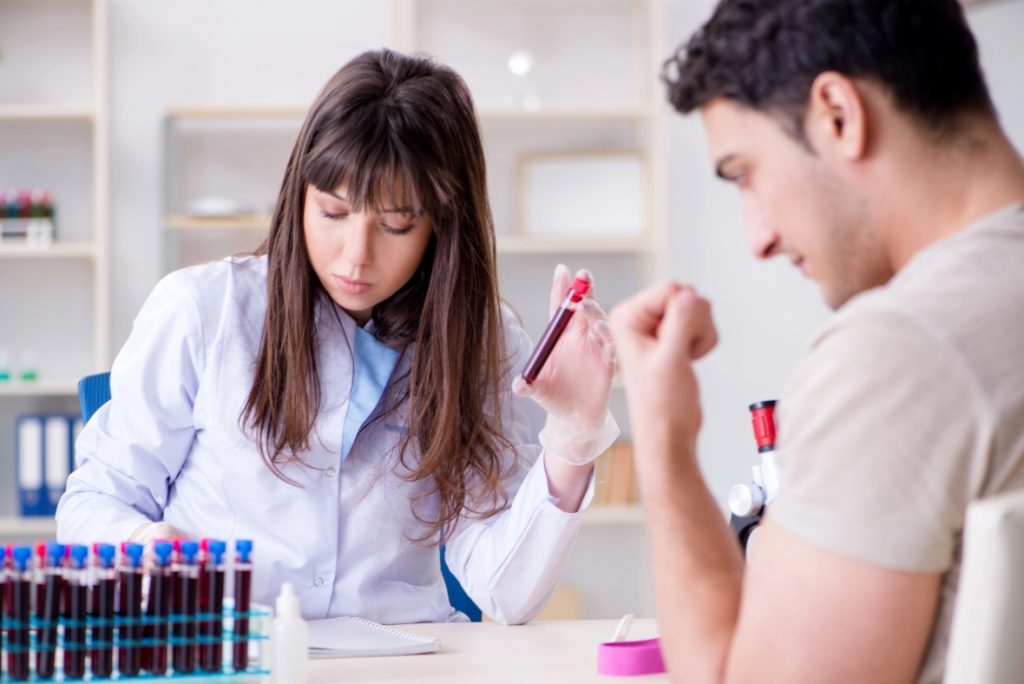
Herpes is a common sexually transmitted infection (STI) caused by the herpes simplex virus (HSV). Early detection is important for managing symptoms, reducing transmission, and making informed healthcare decisions. However, many people wonder: how accurate is herpes testing for early detection?
In this blog, we explore the types of tests available, their reliability, and factors that influence their accuracy.
Understanding Herpes and Its Early Stages
Herpes exists in two forms: HSV-1, often associated with oral herpes, and HSV-2, commonly linked to genital infections. The virus can remain dormant in the body for long periods, meaning symptoms may not appear immediately after exposure.
Because of this latency, someone may contract herpes but not show symptoms for weeks or months. This delay can affect the accuracy of testing, especially if tests are taken too soon after exposure.
Key point: Early detection is challenging because the virus needs time to generate a detectable immune response.
Types of Herpes Tests
Herpes testing is generally divided into two main categories: viral tests and antibody (blood) tests.
1. Viral Tests
Viral tests detect the herpes virus directly from a sore or lesion. There are two common types:
- Polymerase Chain Reaction (PCR) Test: This test detects HSV DNA and is highly sensitive. It is considered the most accurate method for diagnosing herpes when a lesion is present.
- Viral Culture: This test involves taking a sample from a sore and growing the virus in a lab. It is less sensitive than PCR, especially for older or healing lesions.
Advantages:
- High accuracy when sores are present.
- Can distinguish between HSV-1 and HSV-2 in most cases.
Limitations:
- Not effective for asymptomatic individuals.
- Accuracy drops if the lesion has started to heal.
2. Antibody (Blood) Tests
Blood tests detect antibodies that the body produces in response to HSV infection. These tests are more useful for detecting herpes in people without visible symptoms. There are two main types:
- Type-Specific IgG Tests: Detect antibodies specific to HSV-1 or HSV-2. These are generally accurate after 12–16 weeks following exposure.
- IgM Tests: Detect early antibodies but are less reliable because IgM may not differentiate between HSV-1 and HSV-2 or indicate a recent infection accurately.
Advantages:
- Can detect herpes even if no sores are present.
- Useful for people at higher risk who want to know their status.
Limitations:
- Early testing (within the first few weeks after exposure) can lead to false negatives.
- IgM tests may give false positives or misidentify the virus type.
Factors That Affect Herpes Test Accuracy
Several factors can impact how accurate herpes testing is, particularly for early detection:
- Timing of the Test: Testing too soon after exposure can result in false negatives. The body may not have produced enough antibodies yet.
- Type of Test Used: PCR tests on active lesions are the most accurate. Blood tests are better for detecting past infections but not immediate exposure.
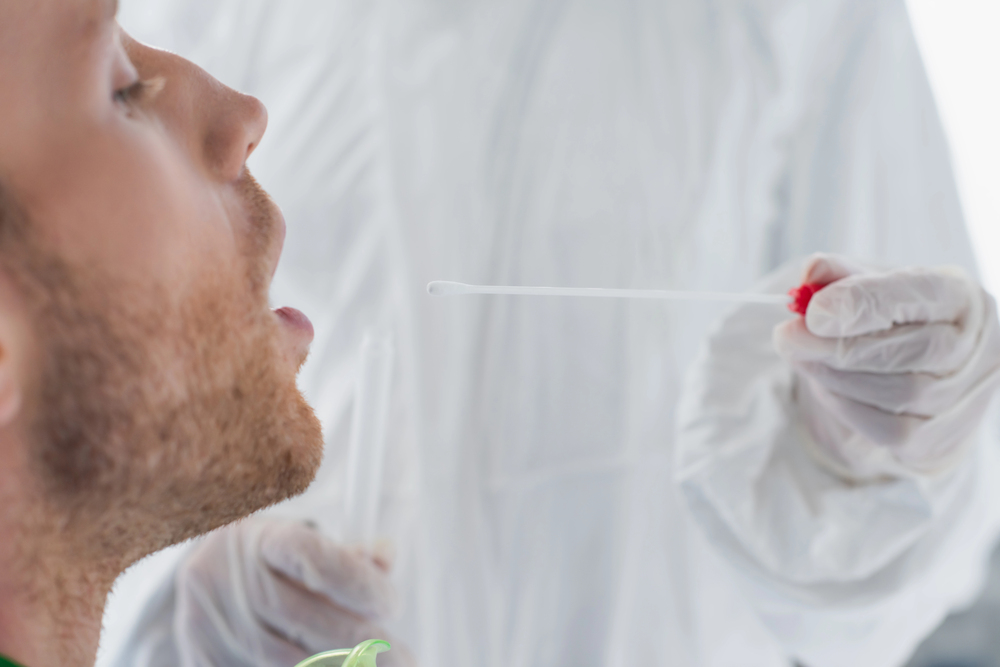
- Sample Collection: Proper collection of samples is important for viral tests. Poor technique can reduce accuracy.
- Individual Immune Response: People with weaker immune systems may develop antibodies more slowly, which can delay detection.
Tip: For the most reliable results, consult with medical professionals at Advanced STD Testing & Treatment Clinic to determine the best testing method and timing for your situation.
Interpreting Herpes Test Results
Understanding test results is as important as the testing itself. Here’s what common outcomes mean:
- Positive Result: Indicates exposure to HSV. Your healthcare provider will discuss next steps, including symptom management and reducing transmission risks.
- Negative Result: May mean you are not infected, or it could be a false negative if the test was taken too early. Retesting may be recommended.
- Indeterminate or Equivocal Result: Sometimes, results are unclear. Follow-up testing is usually advised to confirm status.
It is important not to rely solely on one test if exposure was recent. Combining PCR testing for active lesions and antibody testing after the window period provides the most comprehensive evaluation.
Early Detection: Why Timing Matters
Early detection allows individuals to manage outbreaks, reduce transmission, and make informed health decisions. However, because herpes can remain dormant, timing is critical:
- First Few Days After Exposure: Tests are often unreliable. Symptoms may not appear, and antibodies have not formed.
- 2–12 Weeks After Exposure: Some antibody tests may begin to show results, but PCR remains the gold standard if sores appear.
- After 12 Weeks: Type-specific IgG tests are highly accurate for identifying HSV-1 or HSV-2 infections.
Expert Insight: Testing at the right time increases the likelihood of accurate results. Premature testing can lead to unnecessary stress or misdiagnosis.
Tips for Accurate Herpes Testing
To maximize the accuracy of herpes testing, consider these tips:
- Choose the Right Test: For symptomatic individuals, PCR tests are preferred. For asymptomatic individuals, type-specific IgG blood tests after the window period are most reliable.
- Follow Testing Recommendations: Retest if initial results are negative but exposure risk was high.
- Consult Experienced Professionals: Healthcare providers at Advanced STD Testing & Treatment Clinic can guide you on test selection, timing, and interpretation.
- Maintain Follow-Up: Regular testing is important for ongoing sexual health and peace of mind.
The Role of Professional Guidance
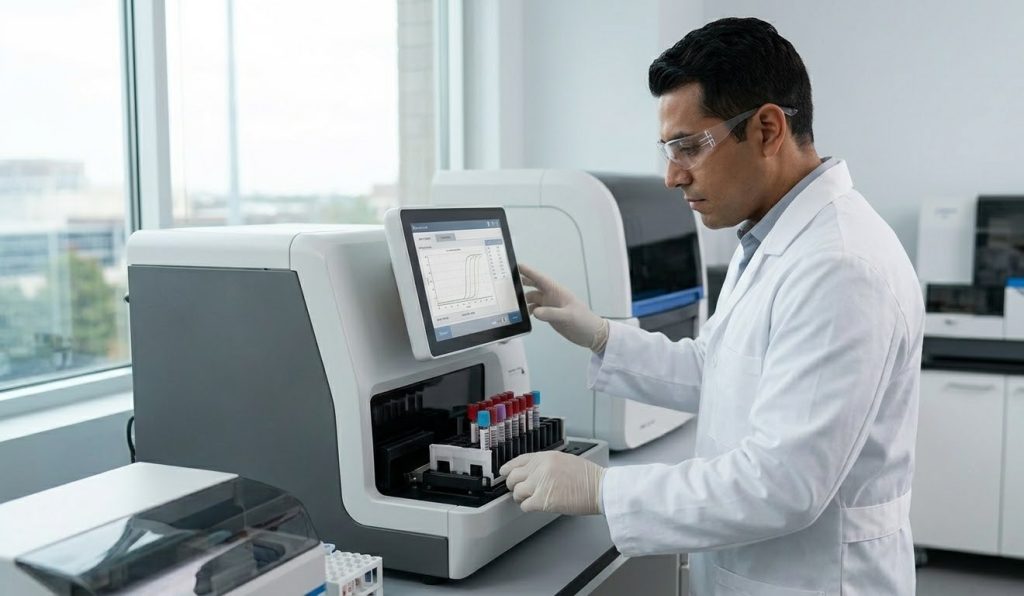
While at-home testing kits exist, they may not provide the same level of accuracy as professional testing. Licensed clinics like Advanced STD Testing & Treatment Clinic ensure:
- Correct sample collection and handling
- Access to multiple testing methods
- Accurate interpretation of results
- Confidentiality and support for next steps
Professional guidance reduces the risk of false results and supports overall health management.
“Herpes Testing in Houston: Why St. George Place Trusts Advanced STD Testing & Treatment Clinic”
When it comes to herpes testing in Houston, accuracy, confidentiality, and professional care matter. At Advanced STD Testing & Treatment Clinic, located near St. George Place, we provide reliable, fast, and discreet testing services designed to put your mind at ease.
Accurate and Early Detection
Herpes can be tricky to detect, especially in its early stages. Our clinic uses state-of-the-art testing methods, including PCR and type-specific blood tests, ensuring precise results whether you have symptoms or not. With proper timing and expert guidance, we help you understand your status clearly and confidently.
Confidential and Professional Care
We know that STD testing can feel sensitive, and your privacy is our priority. From the moment you walk in, you’ll experience professional, nonjudgmental care in a secure environment. Our team takes the time to explain your results and answer your questions, so you feel supported every step of the way.
Convenient Location in St. George Place
Our Houston clinic is conveniently located near St. George Place, making it easy for residents and nearby communities to access reliable herpes testing. We offer flexible scheduling and efficient testing services, so you can get accurate results without disrupting your routine.
Expert Guidance You Can Trust
Beyond testing, Advanced STD Testing & Treatment Clinic provides personalized recommendations and treatment options if needed. Our team ensures you understand your results and the next steps to manage your sexual health effectively.
Fast, Reliable Results
We understand that waiting for results can be stressful. That’s why we focus on quick turnaround times without compromising accuracy. Whether you need immediate testing for peace of mind or follow-up care, we deliver results you can trust.
Take Control of Your Health Today
If you’re looking for herpes testing in Houston near St. George Place, choose Advanced STD Testing & Treatment Clinic for professional, confidential, and accurate testing. Book your appointment today and take the first step toward peace of mind.
Advanced STD Testing & Treatment Clinic Serving the St. George Place and Beyond in Houston
Advanced STD Testing & Treatment Clinic is dedicated to serving the diverse needs of the local community of Houston, including individuals residing in neighborhoods like St. George Place. With its convenient location near landmarks such as the Woodward bmx and major intersections like Yorktown St. and Meadow Lake Ln. (coordinates: 29.74378803500751, -95.47309413265566), we offer Herpes testing Houston services.
Get Herpes Testing Services At St. George Place Now
Navigate from St. George Place to Advanced STD Testing & Treatment Clinic Now
Conclusion
Herpes testing for early detection is highly dependent on the type of test used, timing, and proper sample collection. PCR tests provide the most accurate results when lesions are present, while type-specific IgG blood tests are reliable for asymptomatic detection after the window period.
Testing too early can lead to false negatives, and interpretation of results should always be done in consultation with healthcare professionals. By understanding how herpes tests work and seeking expert guidance from Advanced STD Testing & Treatment Clinic, individuals can make informed decisions, manage their health effectively, and reduce the risk of transmission.
Remember: Accuracy improves with the right testing method, appropriate timing, and professional support.
FAQs
1. How soon after exposure can herpes be accurately detected?
Herpes testing is most reliable after the window period, typically 12–16 weeks following exposure. Testing too early may result in false negatives, especially with antibody (blood) tests. PCR tests can detect the virus sooner if active sores are present.
2. Which herpes tests are the most accurate for early detection?
PCR tests on active lesions are the most accurate for early detection. For asymptomatic cases, type-specific IgG blood tests are reliable after the window period. IgM blood tests are less dependable for early detection because they may not differentiate between HSV-1 and HSV-2.
3. Can I test for herpes if I don’t have any symptoms?
Yes. Asymptomatic testing is possible with type-specific IgG blood tests, which detect past infections even when no sores or symptoms are present. Timing is important—testing too soon after exposure may still yield inaccurate results.
4. What factors can affect the accuracy of herpes tests?
Accuracy can be influenced by timing of the test, type of test used, sample collection quality, and an individual’s immune response. Testing too early or using less sensitive methods may result in false negatives.
5. How should I interpret a positive or negative herpes test result?
A positive result indicates exposure to HSV, while a negative result may mean no infection or a false negative if tested too early. Sometimes, results are indeterminate, requiring retesting. Consulting with professionals at Advanced STD Testing & Treatment Clinic ensures proper interpretation and guidance.

Recent Posts
Explore the latest articles on sexual health, testing, and wellness. Stay updated with insights designed to keep you informed and confident about your health choices.