Can I Get a Full STD Test?
October 10, 2025
A full STD test, often called a comprehensive STD panel, is a complete screening that checks for multiple sexually transmitted infections at once. It’s more than just checking for HIV or chlamydia. It’s a medical snapshot of your sexual health, covering a range of bacterial, viral, and parasitic infections.
People in Robindell often ask, “Can I really request a full STD test?” The answer is yes, but it’s important to understand what you’re asking for.
Full STD testing typically screens for:
- Chlamydia
- Gonorrhea
- Syphilis
- HIV (Type 1 & 2)
- Hepatitis B & C
- Herpes (HSV-1 and HSV-2)
- Trichomoniasis
Not every clinic includes herpes or hepatitis automatically, so asking for a “full panel” is essential if you want deeper testing rather than the basic screening.

Common Infections Included in Comprehensive STD Testing
Asking for a full STD test means you expect clarity, no guessing, no hidden risks. Many people think STD testing is limited to a quick urine check, but a true comprehensive panel dives much deeper. It includes bacterial, viral, and parasitic infections that can silently affect your health, fertility, and relationships. Each infection plays a unique role, and understanding them helps you advocate for the right tests.
Below are the essential infections that a full STD panel should include and why none of them should be skipped.
Chlamydia and Gonorrhea
Chlamydia and gonorrhea are the most frequently reported STDs in the U.S., yet they are often completely silent. Many people walk around with these infections unknowingly, spreading them to partners.
Why They’re Important to Test For:
- Both can cause serious reproductive damage if left untreated.
- Chlamydia and gonorrhea can lead to pelvic inflammatory disease (PID) in women, causing infertility or ectopic pregnancies.
- In men, these infections may cause epididymitis, leading to testicular pain and potential infertility.
Common Symptoms (when they appear):
- Pain or burning during urination
- Cloudy, green, or yellow discharge
- Lower abdominal or pelvic cramping
- Pain during sex
Testing Methods:
Urine samples or genital swabs. They are easily treatable with antibiotics but only if detected.
Syphilis
Syphilis is one of the most underestimated STDs. Some believe it disappeared decades ago, yet cases have surged nationwide.
Why Syphilis Testing Is Critical:
- Syphilis progresses through defined stages and can return after disappearing.
- When untreated, it can cause neurological damage, blindness, paralysis, and even death.
- It can be transmitted during pregnancy, causing congenital syphilis in newborns.
Stages of Syphilis:
- Primary Stage: A single painless sore (often missed)
- Secondary Stage: Rash on hands, feet, or body, fever, hair loss
- Latent Stage: No visible symptoms, infection remains active internally
- Tertiary Stage: Years later, organ and brain damage
Testing:
Blood test. Easily treatable in early stages with penicillin.
HIV (Human Immunodeficiency Virus)
No comprehensive STD test is complete without HIV screening. While many fear the diagnosis, early detection today means access to treatment and a long, healthy life.
Why HIV Must Be Included:
- HIV can be completely symptom-free for years.
- Early treatment reduces the viral load to undetectable, making it untransmittable (U=U).
- Untreated HIV weakens the immune system, leading to AIDS.
Possible Early Symptoms:
- Fever
- Night sweats
- Swollen glands
- Fatigue or unexplained weight loss
Testing Methods:
- Rapid finger-prick test (results in minutes)
- 4th-generation blood test (detects both antigens and antibodies)
Regular HIV testing is recommended for sexually active individuals, especially those with multiple partners.
Herpes (HSV-1 & HSV-2)
Herpes is one of the most common viral STDs, yet many full panels do not automatically include it unless requested. Testing is critical even without visible sores.
Types of Herpes:
- HSV-1: Often oral (cold sores), but now common genitally
- HSV-2: Primarily genital infections
Why It’s Often Missed:
- Many people carry herpes without symptoms.
- Outbreaks can be rare or unrecognizable.
Common Symptoms (When Present):
- Painful blisters or open lesions
- Burning or tingling sensations
- Flu-like symptoms during outbreaks
Why Testing Matters:
Even without symptoms, herpes can be transmitted due to viral shedding.
Testing:
Blood test for antibodies or swab from an active sore.
Hepatitis B and Hepatitis C
Many are surprised to learn that hepatitis is included in full STD testing. These infections target the liver but are commonly spread through sexual contact.
Why They’re High Priority:
- Chronic infections can lead to liver damage, liver failure, or cancer.
- Most carriers don’t realize they’re infected until severe damage occurs.
Symptoms (Often Appear Late):
- Yellow skin or eyes (jaundice)
- Chronic fatigue
- Abdominal discomfort
- Dark urine
Testing:
Blood tests. Hepatitis B has a vaccine; Hepatitis C can be cured with antiviral medication.
Trichomoniasis
Trichomoniasis, or “trich,” is one of the most common non-viral STDs yet often overlooked.
Who It Affects Most:
Primarily women, but men can unknowingly carry and transmit it.
Symptoms in Women:
- Frothy, yellow-green vaginal discharge
- Foul, fish-like odor
- Itching or irritation
Symptoms in Men:
Often none, making men common carriers.
Why It Must Be Tested:
- Increases the risk of contracting HIV
- Can cause pregnancy complications
- Easily cured with prescribed medication
Testing:
Urine or swab sample.
Why Comprehensive Testing Is Essential
A full STD panel isn’t just about finding an infection, it’s about protecting your long-term health. Basic testing may miss critical infections like herpes or hepatitis, leaving you falsely reassured. Comprehensive panels uncover silent infections before they cause serious damage.
Key Benefits of a Full STD Panel:
- Peace of mind
- Early treatment and prevention
- Protection of future fertility and relationships
Skipping even one infection can leave a dangerous gap in your sexual health evaluation.
Why Full STD Testing Matters in Robindell
Robindell is a close-knit community. People work, socialize, and form relationships locally. The calm lifestyle can give a false sense of security, but sexual health shouldn’t rely on assumptions. Full STD testing isn’t about guilt. It’s about responsibility, self-respect, and protecting intimate partners.
Those who seek testing often report:
- Peace of mind
- Confidence in relationships
- Early intervention if something is found
Testing isn’t an admission of wrongdoing, it’s a sign of maturity.
Visible Symptoms That May Require Immediate Testing
Not all STDs show symptoms, but when they do, don’t delay testing. Seek testing if you notice:
- Burning during urination
- Genital itching or irritation
- Unusual odor
- Sores, blisters, or rashes
- Pelvic or lower abdominal pain
These signs shouldn’t be ignored. Even if symptoms fade, infections can remain.
Silent Infections: No Symptoms Doesn’t Mean No Risk
The biggest misconception? “I feel fine, so I must be okay.” Many STDs, such as chlamydia or herpes, can stay silent for months or even years. By the time symptoms appear, the infection may already cause complications.
That’s why routine testing is vital, especially if you’re sexually active with new or multiple partners.
Can I Actually Ask for a Full STD Test?
Yes, you can. Walk into a clinic and clearly request a full STD panel. Not all places will automatically offer every test. Some only do urine testing or basic blood tests unless you ask. Be specific.
Comprehensive vs. Basic Screening
- Basic Screening: Usually tests for chlamydia, gonorrhea, maybe HIV.
- Full Panel: Adds syphilis, herpes, hepatitis, trichomoniasis, and more.
Knowing the difference can prevent testing gaps.
Advanced STD Testing & Treatment Clinic in Robindell
Residents in Robindell looking for confidential, professional testing often rely on Advanced STD Testing & Treatment Clinic. This local clinic offers comprehensive panels, private consultations, and treatment options under one roof.
Services You Can Expect
- Full panel blood and swab testing
- Same-day testing options
- Discreet visits with confidential results
- On-site treatment plans for positive cases
Walk-In vs. Appointment
Walk-ins are usually accepted, but booking helps ensure privacy and quicker service.

What to Expect During a Full STD Test
Fear of the unknown stops many people. Knowing the process helps ease anxiety.
Sample Collection
- Urine sample – detects chlamydia and gonorrhea
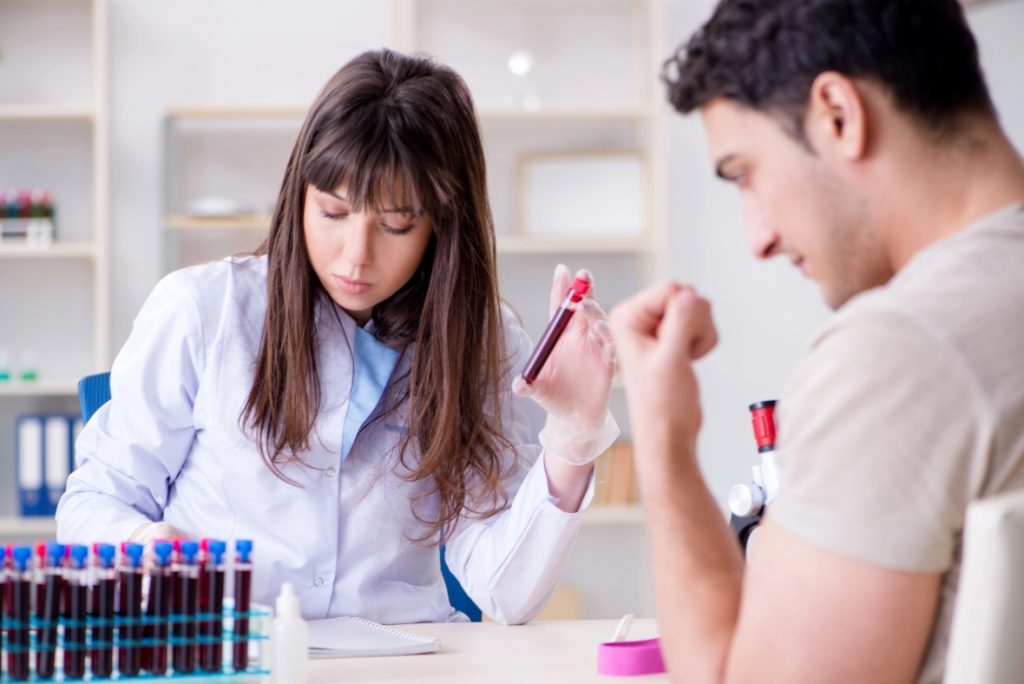
- Blood draw – screens for HIV, syphilis, hepatitis, herpes
- Swabs – used for throat or genital testing when needed
Result Time
Some results return within 1–2 hours (rapid HIV or syphilis tests), while others may take 2–5 days.
Preparation Before Getting Tested
You don’t need special preparation, but be ready to:
- Provide recent sexual history
- Disclose symptoms (if any)
- Avoid urinating for 1 hour before a urine test
Honesty with your healthcare provider ensures accurate care.
Cost and Insurance: Can I Afford a Full STD Panel?
Full STD panels can range in cost, but most clinics, including Advanced STD Testing & Treatment Clinic, offer affordable options for uninsured patients. Ask about:
- Sliding scale payments
- Cash discounts
- Package testing deals
Your health is worth the investment.
Is STD Testing Confidential?
Absolutely. STD test results are protected by medical privacy laws. No employer, family member, or partner will be notified unless you share your results yourself.
Should I Test Even Without Symptoms?
Yes. Lack of symptoms does not guarantee a clean bill of health. Many infections remain silent for months or years. Getting tested is like checking your tire pressure, you may not see the leak, but it can still cause damage.
How Often Should You Get a Full STD Test?
- Single or Monogamous? Once a year is reasonable.
- Multiple or New Partners? Every 3–6 months.
- Pregnant Individuals? Early in pregnancy and again before delivery.
Talking to a Partner About Testing
Conversations about STD testing can feel awkward but show responsibility.
Tips for starting the discussion:
- “I care about our health and want us both tested.”
- “Let’s make sure we’re both safe before going further.”
Testing together strengthens trust.
Understanding Your Results
Negative (Clear)
No infections detected, continue routine screening.
Positive
Treatment or management may be required. Most STDs are treatable, some curable.
Inconclusive
Occasionally retesting is needed for accuracy.
What Happens If You Test Positive?
Don’t panic. Many STDs are curable with antibiotics. Viral infections like herpes or HIV are manageable with long-term care. Early treatment prevents complications.
Life After an STD Diagnosis
Life doesn’t end with a diagnosis. You’ll receive guidance on treatment, partner notification, and future prevention. Staying informed helps protect both your health and confidence.
Advanced STD Testing & Treatment Clinic Serving the Robindell Community and Beyond in Houston
Advanced STD Testing & Treatment Clinic is dedicated to serving the diverse needs of the local community of Houston, including individuals residing in neighborhoods like Robindell. With its convenient location near landmarks such as the William Sutton Elementary School and major intersections like Roos Rd. & Stroud Dr. (coordinates: 29.698823467242107, -95.49898639708512), we offer walk in STD testing Houston services.
Get Walk In STD Testing at Robindell Now
Navigate from Robindell to Advanced STD Testing & Treatment Clinic Now
Taking Control of Your Health with Full STD Testing
Asking “Can I get a full STD test?” is an act of personal responsibility, not fear. In Robindell, access to complete testing is available, especially through trusted centers like Advanced STD Testing & Treatment Clinic. A full panel provides clarity, ensures early treatment, and supports a safer, healthier future. Testing is not just for those with symptoms, it’s for anyone who values peace of mind.
FAQs
1. Can I ask for herpes testing specifically?
Yes, but you must request it. We don’t include herpes in standard panels.
2. Will my insurance see my STD test?
Tests are confidential, but insurance statements may show testing. Ask about self-pay if privacy matters.
3. How long do full panel results take?
Rapid tests may return in minutes, while full labs can take 3–5 days.
4. Do I need to fast before STD testing?
No fasting required. You may be asked not to urinate before urine tests.
5. Can I get tested without symptoms?
Absolutely. Many infections stay silent, routine testing is encouraged.

Recent Posts
Explore the latest articles on sexual health, testing, and wellness. Stay updated with insights designed to keep you informed and confident about your health choices.