What Are The Big 3 STDs?
November 27, 2025
Sexually transmitted diseases, or STDs, are more common than most people think. They can affect anyone—regardless of age, gender, or lifestyle. Among the many types of STDs, three are particularly widespread and deserve special attention. These are often referred to as the “Big 3 STDs,” which include chlamydia, gonorrhea, and syphilis.
Understanding these infections, their symptoms, and how they spread is essential for protecting yourself and your loved ones. And if you live in Link Valley, the Advanced STD Testing & Treatment Clinic is here to make testing and treatment safe, confidential, and straightforward.
Let’s dive deep into what makes these three STDs so important, how to spot them, and why proactive care is critical.
Understanding STDs and Why They Matter
STDs are infections that are primarily spread through sexual contact, including vaginal, anal, and oral sex. They can have serious consequences if left untreated, ranging from chronic pain and infertility to life-threatening complications.
You might think, “I don’t have any symptoms, so I must be fine.” Here’s the tricky part: many STDs, especially the Big 3, can be asymptomatic—meaning you could be infected and not know it. This makes testing more important than ever.
Living in Link Valley doesn’t change the risks, but it does mean you have access to reliable, confidential testing at the Advanced STD Testing & Treatment Clinic. They provide professional care in a judgment-free environment, which is exactly what everyone needs when it comes to sexual health.
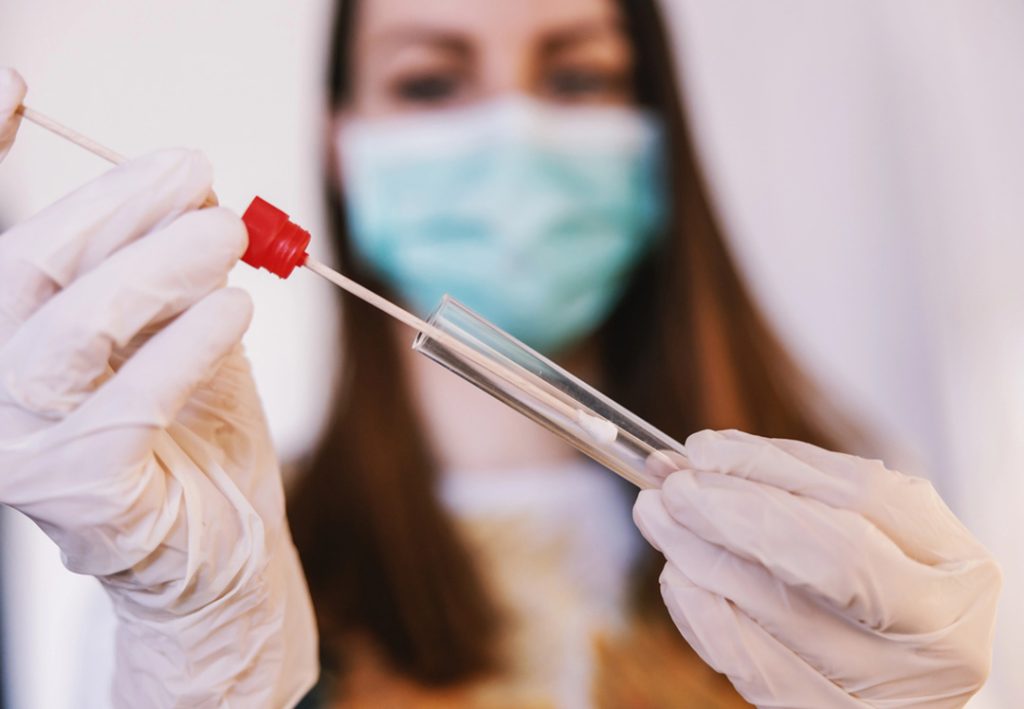
The Big 3 STDs Overview
The term “Big 3 STDs” refers to chlamydia, gonorrhea, and syphilis. These infections are notable because they are highly common, potentially serious, and preventable with the right measures.
While each infection is caused by a different bacterium, they all share one common thread: they can quietly damage your health if untreated. Early detection, treatment, and preventive practices are your best defense.
1. Chlamydia
Chlamydia is the most commonly reported bacterial STD in the United States. It’s often called a “silent infection” because up to 70% of women and 50% of men may not experience noticeable symptoms.
Symptoms of Chlamydia
Even when symptoms do appear, they can be subtle. Watch out for:
- Burning sensation during urination
- Unusual discharge from the penis or vagina
- Painful sexual intercourse
- Lower abdominal pain in women
- Testicular pain in men
If left untreated, chlamydia can lead to pelvic inflammatory disease (PID) in women and fertility issues in both men and women. It may also increase susceptibility to other STDs, including HIV.
How Chlamydia Spreads
Chlamydia spreads through vaginal, anal, or oral sex with an infected partner. Even if your partner doesn’t show symptoms, transmission is possible. It’s worth noting that condoms significantly reduce the risk but don’t provide complete protection.
Treatment and Prevention
The good news? Chlamydia is easily treatable with antibiotics. Quick treatment prevents complications and helps stop the spread. Preventive steps include:
- Consistent condom use
- Limiting sexual partners
- Open communication with sexual partners
- Regular testing at facilities like the Advanced STD Testing & Treatment Clinic in Link Valley
2. Gonorrhea
Gonorrhea, sometimes referred to as “the clap,” is another bacterial STD. It can infect the genitals, rectum, and throat. Like chlamydia, it may remain unnoticed for weeks, making regular testing essential.
Symptoms of Gonorrhea
Symptoms may appear 2 to 14 days after exposure and can include:
- Painful urination
- Discharge from the penis or vagina (yellow, green, or white)
- Sore throat (if contracted orally)
- Pain or swelling in testicles (in men)
- Pelvic or abdominal pain (in women)
If untreated, gonorrhea can cause infertility, chronic pain, and increase your risk of contracting or transmitting HIV.
How Gonorrhea Spreads
Gonorrhea spreads through sexual contact, including oral, anal, and vaginal sex. Even partners without symptoms can transmit the infection, which is why testing regularly is non-negotiable.
Treatment and Prevention
Gonorrhea is treated with antibiotics, but drug-resistant strains are becoming more common. Preventive measures include:
- Using condoms consistently
- Limiting sexual partners
- Getting tested regularly
- Treating partners simultaneously to avoid reinfection
3. Syphilis
Syphilis is less common than chlamydia or gonorrhea, but it can have serious long-term effects if untreated. Caused by the bacterium Treponema pallidum, syphilis progresses in stages, each with distinct symptoms.
Symptoms of Syphilis
Syphilis progresses through four stages:
- Primary Stage – Painless sores at the infection site, often unnoticed
- Secondary Stage – Skin rashes, often on palms and soles, along with flu-like symptoms
- Latent Stage – No visible symptoms, but bacteria remain in the body
- Tertiary Stage – Severe complications affecting the heart, brain, or other organs
How Syphilis Spreads
Syphilis spreads through direct contact with syphilitic sores during sexual activity. It can also be transmitted from mother to baby during pregnancy, making early testing critical.
Treatment and Prevention
Early-stage syphilis is treatable with antibiotics, usually penicillin. Preventive measures include:
- Regular STD testing
- Safe sex practices, including condom use
- Open communication with sexual partners
Why Getting Tested is Crucial
Many people assume they’ll notice symptoms if something is wrong. Unfortunately, this is far from reality. The Big 3 STDs are often asymptomatic, which means you could be infected without knowing it. Regular testing is the only way to be sure.
The Importance of Early Detection
Early detection is about more than knowing your status—it’s about protecting your health and peace of mind. The sooner an STD is caught, the easier it is to treat and prevent complications like infertility, chronic pain, or organ damage.
How Advanced STD Testing & Treatment Clinic Can Help in Link Valley
Living in Link Valley gives you access to Advanced STD Testing & Treatment Clinic, a place dedicated to safe, confidential, and professional care.
Here’s why it matters:
- Confidential Testing: No judgment, no awkward conversations.
- Accurate Results: Advanced diagnostic technology ensures reliable results.
- Professional Guidance: Staff will guide you on treatment options and preventive care.
Getting tested is easier than ever, and taking that step can save your health in the long run.

Common Misconceptions About the Big 3 STDs
Let’s clear up some myths that can put people at risk:
- Myth 1: “You’ll always know if you have an STD.” False! Most infections are asymptomatic at first.
- Myth 2: “Only promiscuous people get STDs.” Anyone who is sexually active can get an STD.
- Myth 3: “STDs are untreatable.” Most Big 3 STDs are curable with timely medical care.
- Myth 4: “Testing is embarrassing.” Clinics like the Advanced STD Testing & Treatment Clinic make testing simple, confidential, and stress-free.
How to Protect Yourself and Your Partners
Prevention is always better than cure. Taking proactive steps can protect both you and your partners.
Safe Practices and Precautions
- Use condoms correctly and consistently
- Limit sexual partners
- Avoid sexual activity when either partner has symptoms
- Engage in open conversations about STD status
Vaccines and Regular Checkups
While there are no vaccines for chlamydia, gonorrhea, or syphilis, vaccines exist for other STDs such as HPV and hepatitis B. Regular checkups and testing, especially with new or multiple partners, are essential.
The Role of Communication in Sexual Health
Talking about sexual health may feel awkward, but it’s crucial. Discussing your sexual history and testing results with your partner builds trust, safety, and responsibility. Honest communication reduces risks and ensures both partners feel informed and secure.
Advanced STD Testing & Treatment Clinic Serving the Link Valley Community and Beyond in Houston
Advanced STD Testing & Treatment Clinic is dedicated to serving the diverse needs of the local community of Houston, including individuals residing in neighborhoods like Link Valley. With its convenient location near landmarks such as the Linkwood Park and major intersections like Timberside Dr. and Sun Valley Dr. (coordinates: 29.680822654243435, -95.43170175826633), we offer the best STD testing Houston services.
Get Best STD Testing At Link Valley Now
Navigate from Link Valley to Advanced STD Testing & Treatment Clinic Now
Conclusion
Understanding the Big 3 STDs—chlamydia, gonorrhea, and syphilis—is key to taking control of your sexual health. Regular testing, safe practices, and early treatment prevent serious complications and protect both you and your partners.
If you live in Link Valley, the Advanced STD Testing & Treatment Clinic is your go-to destination for confidential, reliable testing and care. Don’t wait until symptoms appear—staying proactive is the best way to safeguard your health and peace of mind.
FAQs
1. How often should I get tested for the Big 3 STDs?
At least once a year if you are sexually active, or more frequently if you have multiple partners or new sexual relationships.
2. Can I get reinfected after treatment?
Yes. Treatment cures the current infection but does not provide immunity. Safe sex practices are essential.
3. Are the Big 3 STDs curable?
Yes. Chlamydia, gonorrhea, and early-stage syphilis are treatable with antibiotics.
4. Can men and women experience different symptoms?
Yes. Women are more likely to be asymptomatic, while men may show more obvious signs. This is why testing is critical.
5. Is it safe to get tested at a clinic?
Absolutely. The Advanced STD Testing & Treatment Clinic in Link Valley provides confidential, professional, and stress-free testing.

Recent Posts
Explore the latest articles on sexual health, testing, and wellness. Stay updated with insights designed to keep you informed and confident about your health choices.